For generations, the allure of luxury fashion has been rooted in the pristine, the unblemished, and the brand-new. The crisp snap of tissue paper inside an embossed orange box, the uncreased leather of a structured satchel, and the immaculate drape of silk straight from the atelier floor have long defined the psychological reward of high-end consumption. We bought into a linear narrative: extraction, creation, consumption, and, eventually, disposal. But look closely at the modern luxury landscape, and you will see a quiet, profound revolution taking place. The most prestigious houses in the world are rewriting their design philosophies, proving that sustainability and high craftsmanship are no longer mutually exclusive. This is the era of circular luxury—where being “chic” also means being deeply conscious of a garment’s entire lifecycle.
If you have ever stared into a walk-in wardrobe overflowing with seasonal purchases yet felt you had nothing to wear, or if you have winced while calculating the environmental footprint of your luxury habit, you are not alone. The modern fashion consumer is caught in a fascinating tension. We crave exceptional quality, timeless design, and emotional connection to our clothes, yet we are increasingly repulsed by the industry’s historical wastefulness.
In this comprehensive guide, brought to you by Royal Fashion Tech, we are going to explore how premium and luxury brands are closing the fashion loop. We will examine the materials revolutionizing high-end ateliers, the business models transforming how we acquire designer pieces, and how you can curate a truly sustainable, high-impact luxury wardrobe without compromising on elegance. Whether you are a seasoned collector of vintage timepieces and archival designer wear or a curious newcomer looking to make smarter sartorial investments, read on. You are about to discover how circularity is redefining the very pinnacle of style.
The Evolution of Luxury: From Linear Obsolescence to Circular Legacy
To understand why circular fashion is currently reshaping the upper echelons of design, we first need to confront the ghosts of fashion’s recent past. For decades, the global fashion industry operated on a ruthless model of fast consumption. Even luxury, which prided itself on heirloom-quality construction, was eventually pulled into the vortex of accelerated trend cycles. Suddenly, instead of two foundational collections a year, major houses were pushing out resort, pre-fall, capsule, and limited-edition drops with dizzying frequency.
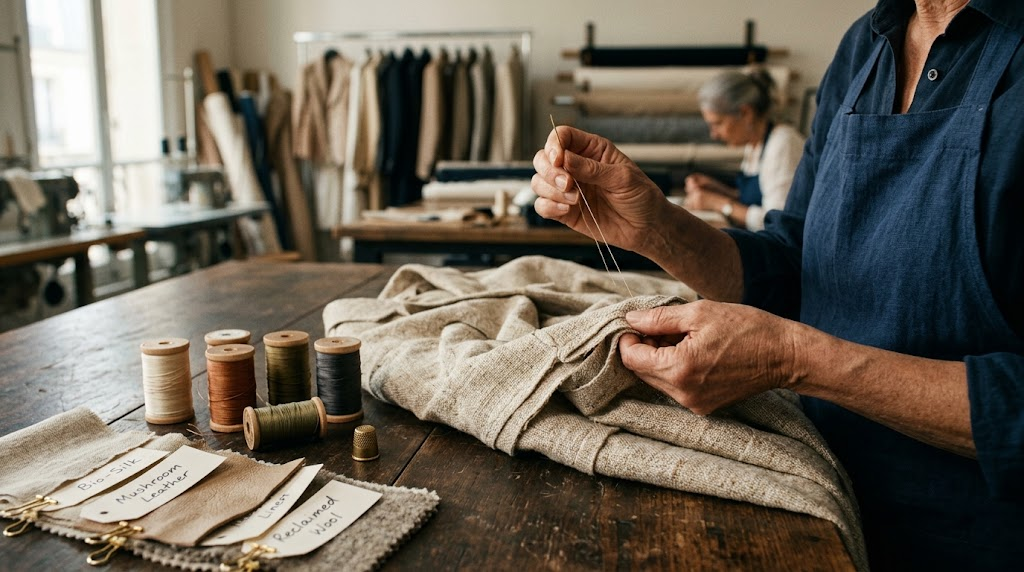
However, luxury has always possessed a secret weapon against pure disposability: heritage. Unlike mass-market apparel designed to disintegrate after a dozen washes, a well-made designer coat, a Goodyear-welted leather boot, or a Swiss mechanical watch is inherently circular. They were built to last, meant to be repaired, and destined to be handed down.
[Linear Model]  Extraction -> Production -> Purchase -> Landfill
[Circular Model] Extraction -> Production -> Purchase -> Care/Repair -> Resale/Upcycling -> Regeneration
Today, premium brands are leaning hard into this heritage, transforming it from a nostalgic talking point into a rigorous operational framework. Closing the loop means designing garments with their eventual end-of-life—or, more accurately, their next life—already factored into the sketchpad. It asks a radical question of the creative director: What happens to this cashmere sweater, this silk gown, or this titanium chronograph thirty years from now?
Material Innovation: Redefining What High-End Feels Like
When people first heard the terms “sustainable fashion” or “recycled materials,” many immediately pictured coarse, unbleached cotton sacks or scratchy polyester fleeces that felt antithetical to luxury. But material science has undergone a seismic shift. Today’s sustainable luxury materials do not ask you to lower your sensory expectations; rather, they elevate them through astonishing innovation.
Consider the evolution of leather alternatives. Traditional leather production carries a heavy environmental toll, yet synthetic plastics like traditional polyurethane (PU) lack the rich patina, breathability, and supple hand-feel that luxury consumers demand. Enter bio-based luxury alternatives—materials crafted from mushroom mycelium, apple waste from cider production, cactus fibers, and lab-grown collagen. These materials are treated in historic tanneries using non-toxic, closed-loop water systems, yielding a finish that rivals calfskin while possessing a fraction of the carbon footprint.
+--------------------+----------------------------------+------------------------------------+
| Material Category  | Traditional Impact               | Modern Circular Alternative        |
+--------------------+----------------------------------+------------------------------------+
| Leather            | High water/chemical use, runoff  | Bio-based mycelium, cactus, or     |
|                    |                                  | certified regenerative leather     |
+--------------------+----------------------------------+------------------------------------+
| Silk & Cashmere    | Intensive grazing, heavy dyes    | Recycled post-consumer cashmere,   |
|                    |                                  | Peace silk, certified organic      |
+--------------------+----------------------------------+------------------------------------+
| Synthetics         | Microplastic shedding, fossil    | Regenerated nylon (ECONYL),        |
|                    | fuel dependency                  | bio-synthetics                     |
+--------------------+----------------------------------+------------------------------------+
Take cashmere, a perennial winter favorite for discerning dressers. Virgin cashmere production has faced ecological scrutiny due to overgrazing in regions like Mongolia. In response, leading high-end knitwear brands are now sourcing recycled cashmere, meticulously sorting post-consumer garments by color and quality, shredding them down, and spinning them into yarns that match the softness of virgin fibers while saving thousands of liters of water per garment.
The Art of Architecture: Design for Disassembly
One of the most insidious obstacles to recycling clothing has always been construction complexity. A designer coat might feature an outer wool shell, a polyester lining, synthetic interfacings for structure, metallic zippers, plastic buttons, and bonded seams glued together with polyurethane adhesive. Separating those materials for recycling is a logistical nightmare.
Forward-thinking luxury houses are changing this through “design for disassembly.” By rethinking how garments are put together—using mono-materials (garments made entirely of a single fiber like 100% wool or 100% silk), sewing threads made from the same material as the fabric, and using mechanical fastenings instead of permanent glues—brands are making it possible for a worn-out garment to be completely deconstructed and melted down into new yarn without losing structural integrity.
- Monomateriality: Using a single fiber type for shell, lining, and thread simplifies chemical or mechanical recycling down the road.
- Modular Details: Detachable faux-fur collars, removable hardware, and modular linings allow the wearer to update or repair pieces without replacing the entire item.
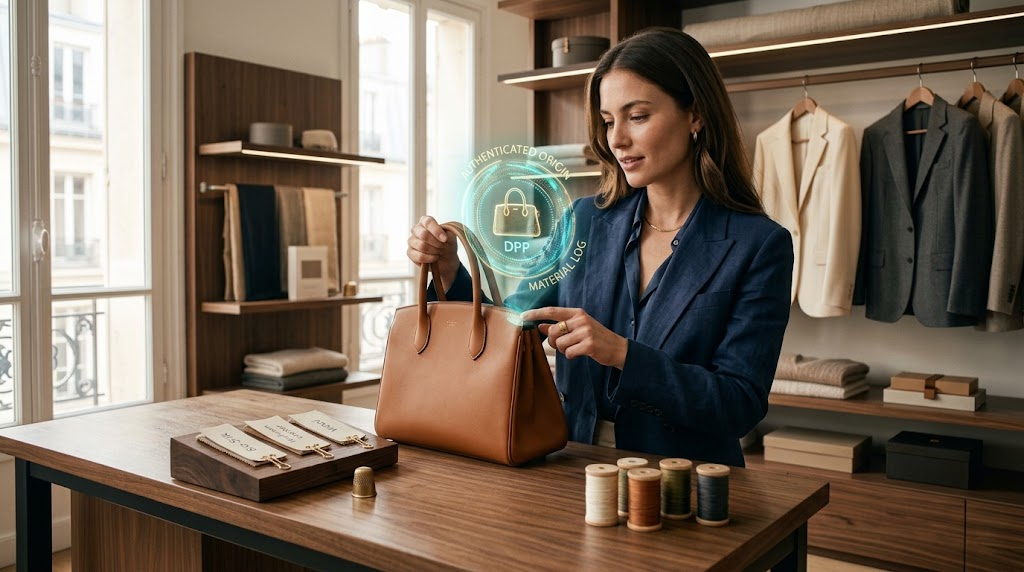
- Traceable Supply Chains: Utilizing blockchain and digital product passports (DPPs) so consumers can scan a garment tag and see its exact journey from farm to boutique, along with instructions on how to recycle it when its journey with you ends.
The Resale Revolution and the Secondary Market Boom
Perhaps the most visible manifestation of the circular fashion loop is the explosive growth of the luxury secondary market. Not long ago, designer resale was confined to dusty vintage boutiques or consignment shops tucked away on side streets. Today, it is a multi-billion-dollar juggernaut embraced by the very brands that once scoffed at it.
Major luxury conglomerates and independent maisons alike are partnering with resale platforms or launching their own in-house trade-in programs. Why? Because they recognize that a robust secondary market actually bolsters primary sales. When you know a designer handbag retains 70% to 80% of its value on the resale market, parting with a significant sum for a brand-new piece feels like a sound investment rather than an ephemeral expense.
Expert Insight: When investing in contemporary designer pieces with an eye toward circularity, look for classic silhouettes, neutral palettes, and brands with established in-house authentication and buyback programs. Pieces from houses with strong archival demand—such as Chanel, Hermès, vintage Bottega Veneta, and early-2000s Prada—tend to weather market fluctuations remarkably well.
Buying pre-owned is the ultimate form of recycling. It extends the lifecycle of a garment, keeps water and energy-intensive manufacturing processes at bay, and connects you with rare pieces that possess a history and narrative entirely unique to them.
Crafting a Circular Wardrobe: Practical Strategies for the Modern Stylist
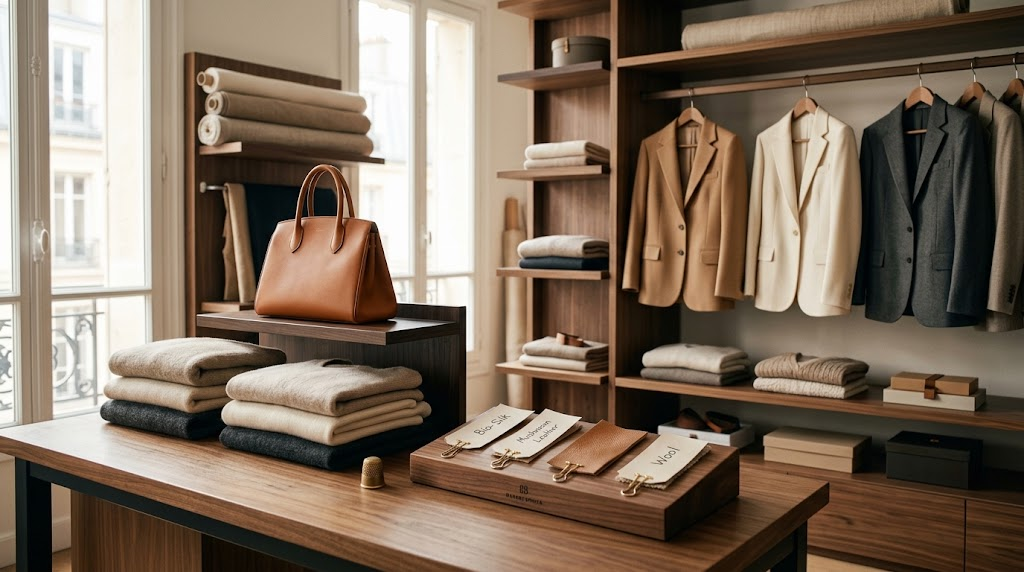
Transitioning your personal wardrobe toward a circular model does not mean you have to abandon your love for high fashion, nor does it require dressing like an ascetic. In fact, true circularity in a luxury context is about curation, reverence, and meticulous maintenance. It is about buying less, but buying infinitely better, and treating your wardrobe as an evolving curated collection rather than a revolving door of fast-trend disposables.
When building a sustainable luxury wardrobe, your primary filter should shift from “Do I want this right now?” to “Where does this fit into the lifecycle of my style?” Here is how experienced fashion collectors approach curation:
- Prioritize Timeless Versatility Over Micro-Trends: Micro-trends are engineered for obsolescence. They dominate Instagram feeds for three weeks and look deeply dated by the next equinox. Focus your major investments on foundational pieces—tailored blazers with clean lines, structured leather totes without loud hardware, cashmere crewnecks, and classic loafers.
- Master the Care and Maintenance Ritual: The greenest garment in the world is the one already hanging in your closet. Luxury fabrics require expert care. Learn how to air out woolens instead of dry-cleaning them after every wear (which degrades natural fibers), invest in a high-quality clothes brush and a cedar garment rack, and find a master cobbler who can resole your designer boots before the heel block wears down.
- Embrace Tailoring and Alteration: Bodies change, and vintage finds rarely fit like off-the-rack modern tailoring. Developing a relationship with an exceptional tailor is the secret weapon of the truly chic. Altering a vintage blazer’s shoulders or taking in the waist of a designer trouser turns a discarded item into a bespoke masterpiece tailored precisely to your silhouette.
The Pitfalls of “Greenwashing” in High Fashion
As circularity becomes a major selling point, consumers must navigate a minefield of marketing buzzwords. Not every brand that slaps a “conscious” or “eco-chic” hangtag on a polyester dress is genuinely committed to closing the loop. In fact, greenwashing has become sophisticated enough to fool even seasoned fashion enthusiasts.
When evaluating a brand’s sustainability claims, look past vague statements like “eco-friendly,” “natural,” or “mindfully made.” Instead, demand specifics:
- Certifications to Trust: Look for independent, rigorous third-party verifications such as GOTS (Global Organic Textile Standard) for fibers, Cradle to Cradle (C2C) for circular design, the Responsible Down Standard (RDS), and B-Corp certification for corporate governance.
- Transparency Reports: True luxury brands of the future publish annual sustainability reports detailing their supply chain emissions, water usage, and fair-labor practices down to the tier-four factories.
- The Take-Back Reality: Ask yourself what happens when you return an item to a brand’s recycling bin. Do they genuinely recycle it into new yarn, or is it quietly shipped to an overseas landfill? Brands genuinely closing the loop are transparent about their recycling partners and mechanical/chemical processing methods.
The Intersection of Technology and Circular Fashion
At Royal Fashion Tech, we believe that technology is the ultimate enabler of this circular transformation. The friction that once existed between luxury consumption and environmental responsibility is being smoothed away by digital innovation.
Virtual try-on software and AI-driven sizing algorithms are dramatically reducing return rates in online luxury retail—a major contributor to transport emissions and retail waste. Furthermore, digital product passports (DPPs), powered by NFC chips embedded in garment labels, allow owners to scan their clothes with a smartphone to access authenticity verification, care instructions, recycling drop-off points, and even a seamless resale listing page when they are ready to part ways with the item.
+--------------------------+-------------------------------------------------------------+
| Tech Innovation          | How It Advances Circularity                                 |
+--------------------------+-------------------------------------------------------------+
| Digital Product Passports| Tracks material origins, care needs, and resale history.    |
+--------------------------+-------------------------------------------------------------+
| AI Sizing & Virtual Try-On| Eliminates sizing guesswork, slashing costly return rates.  |
+--------------------------+-------------------------------------------------------------+
| Automated Sorting AI     | Accelerates textile recycling by identifying fiber blends.  |
+--------------------------+-------------------------------------------------------------+
Imagine buying a bespoke silk blouse, wearing it for three seasons, scanning the tag to list it on a verified resale network directly connected to the brand, and using the store credit to acquire your next wardrobe staple. That is not science fiction; it is the operational blueprint of the next decade of luxury fashion.
Conclusion
The evolution of chic and circular fashion marks a profound maturation of the luxury market. We are moving away from an era where ownership was defined by sheer volume and toward a sophisticated philosophy where value is measured by longevity, craftsmanship, storytelling, and ecological stewardship. Closing the fashion loop does not diminish the magic of luxury; it deepens it. When you know that your favorite designer coat was crafted from ethical materials, designed to be repaired, and backed by a brand committed to regeneration, wearing it becomes an act of intentional self-expression.
At Royal Fashion Tech, we champion the intersection where uncompromising style meets intelligent innovation. By making thoughtful purchasing decisions, embracing the vibrant resale economy, and treating our wardrobes with care, we prove that elegance and sustainability are the ultimate power couple. The future of fashion is circular—and it has never looked more chic.
Frequently Asked Questions
1. What does “closing the fashion loop” actually mean? Closing the fashion loop refers to transitioning from a linear “take-make-waste” model to a circular system where garments are designed, produced, used, and eventually recycled or upcycled indefinitely, eliminating textile waste entirely.
2. Are sustainable luxury brands more expensive than traditional designer brands? Not necessarily. While some brands using innovative bio-materials command premium prices, many circular initiatives involve buying pre-owned, renting, or investing in versatile foundational pieces that offer a lower cost-per-wear over time.
3. How can I tell if a luxury brand’s sustainability claims are genuine? Look for verifiable third-party certifications (such as Cradle to Cradle, GOTS, or B-Corp), detailed supply chain transparency reports, and concrete data regarding their recycling and take-back programs rather than vague marketing buzzwords.
4. Is pre-owned luxury clothing safe and hygienic? Yes. Reputable luxury resale platforms and high-end consignment houses subject every piece to rigorous multi-point authentication, professional dry cleaning, ozone sanitization, and detailed condition grading before it ever reaches a buyer.
5. How do I start building a circular wardrobe from scratch? Start by auditing your current closet. Identify versatile, high-quality staples you already own, commit to repairing or tailoring items that need minor fixes, and make a pact to buy only pre-owned or certified sustainable pieces for your next major wardrobe update.
6. What are Digital Product Passports (DPPs)? DPPs are digital records—often accessed via a scanned QR code or NFC chip on a garment’s tag—that provide transparent information about a product’s material origin, environmental impact, authenticity, and end-of-life recycling instructions.
7. Can fast-fashion brands ever truly be circular? While some fast-fashion retailers offer garment collection bins, true circularity is difficult to achieve at ultra-low price points due to poor material quality, toxic dyes, and massive production volumes that overwhelm existing recycling infrastructure.
8. How do I properly care for luxury garments to extend their lifespan? Aero-dry natural fibers instead of frequent machine washing, invest in cedar hangers to protect wool and cashmere from moths, use professional eco-dry cleaners sparingly, and utilize a local tailor for prompt repairs.