Introduction
Fashion has always been a mirror of human civilization, reflecting our changing values, social structures, technological leaps, and aesthetic desires. For centuries, the evolution of what we wear was dictated by mechanical innovations—the invention of the spinning jenny, the development of synthetic fibers like nylon and polyester, and the relentless speed of global supply chains. Yet, through all these transformations, the fundamental nature of fabric remained largely static. Cloth was something passive. It draped our bodies, protected us from the elements, and signaled our identity, but it remained entirely inert. It did not think, it did not adapt, and it certainly did not interact.
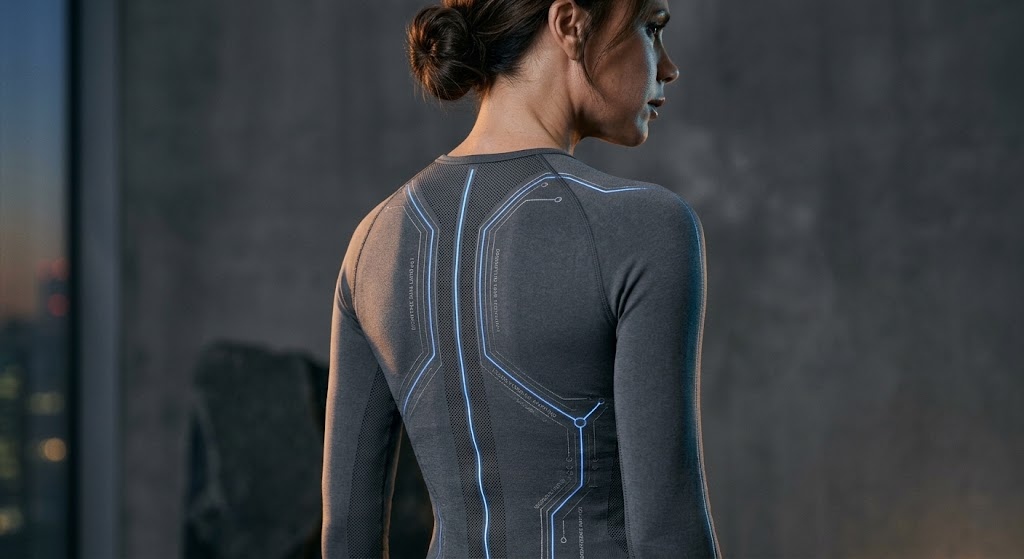
Today, we stand on the precipice of a profound paradigm shift that is rewriting the rules of sartorial design. Welcome to the era where textiles are no longer just materials, but mediums of computing. Smart clothing—garments embedded with micro-electronics, conductive fibers, biometric sensors, and responsive materials—is rapidly moving out of experimental science laboratories and into the contemporary wardrobe. At Royal Fashion Tech, we observe how this revolution is not merely about flashing LED lights on a runway or strapping a bulky fitness tracker to your wrist. It is about a quiet, sophisticated integration of technology into the very threads we wear, transforming everyday fashion into a dynamic, responsive second skin.
This evolution matters deeply because it redefines the relationship between human and garment. For decades, luxury fashion has focused on heritage craftsmanship, tactile richness, and visual prestige. Contemporary smart clothing challenges us to expand our definition of luxury to include utility, adaptability, and wellness. Imagine a winter coat that actively regulates your internal body temperature based on the weather, a tailored business suit that monitors your stress levels and posture during a high-stakes board meeting, or an evening gown that changes its color and weave pattern in response to your mood or lighting environment.
In this comprehensive, deep-dive editorial piece, we will explore the multifaceted world of smart textiles and intelligent apparel. We will unpack the foundational engineering behind these innovations, examine how luxury houses and independent designers are interpreting high-tech fashion, and provide you with actionable insights on how to navigate this emerging market. Whether you are a dedicated fashion enthusiast looking to future-proof your wardrobe or a curious professional seeking to understand the convergence of technology and style, this guide will illuminate the path forward. Let us examine how the future of fabric is actively reshaping everyday fashion.

The Evolutionary Leap from Loom to Logic
To truly appreciate where smart fashion is heading, we must first understand how we arrived at this digital crossroads. For generations, the textile industry operated on linear principles: harvest raw fibers, spin them into yarn, weave or knit them into cloth, and cut and sew that cloth into garments. The primary advancements were chemical—creating wrinkle-resistant finishes, moisture-wicking synthetics, and UV-protected weaves. While these functional finishes improved our daily comfort, they did not fundamentally change the passive nature of clothing.
The turning point began when engineers and textile scientists started asking a radical question: What if the fabric itself could become the circuit board? This inquiry birthed the field of electronic textiles, commonly known as e-textiles. Instead of strapping a rigid piece of plastic or silicon to the body, researchers began developing conductive yarns coated with silver, copper, or stainless-steel micro-filaments. These yarns can be woven or knitted on standard industrial textile machinery, meaning that a sleeve, a lapel, or a waistband can now transmit data and electrical current just like traditional copper wiring, but with the flexibility, drape, and breathability of silk or wool.
This integration represents a massive psychological and structural shift for the fashion industry. For centuries, technology and clothing were kept strictly separate. You wore a jacket and carried a smartphone. Today, the jacket is part of the computing ecosystem. This blurs the line between hardware and haute couture, forcing designers to think like engineers and engineers to respect the delicate art of human drape and movement.
Biometric Integration and the Wellness Wardrobe
One of the most compelling drivers of smart clothing adoption is the fusion of fashion with health and wellness. For years, the market was saturated with wrist-worn fitness trackers. While effective, these devices often clash with formal attire, professional tailoring, or elegant evening wear. A silicone band at a black-tie gala or a chunky plastic tracker with a bespoke Savile Row suit disrupts the visual harmony of a carefully curated outfit.
Smart clothing solves this aesthetic dilemma by embedding biometric monitoring directly into the fabric of everyday garments. Compression shirts, athletic base layers, and even undergarments are now being manufactured with integrated ECG (electrocardiogram) sensors, electromyography (EMG) sensors, and respiratory monitoring bands knitted seamlessly into the textile.
- Continuous Health Monitoring: Unlike wrist trackers that measure pulse via optical sensors on the skin’s surface, textile-integrated ECG electrodes wrap around the torso, offering clinical-grade heart rate monitoring, HRV (heart rate variability) tracking, and stress detection.
- Postural Correction: Intelligent shirts equipped with tension-sensitive yarns can detect when your shoulders slouch or your spine curves improperly during long hours at a desk. The garment applies subtle tactile feedback, gently reminding you to engage your core and straighten your posture.
- Athletic Optimization: For runners and cyclists, smart shorts and leggings analyze muscle engagement, stride symmetry, and fatigue levels in real-time, transmitting data straight to a smartphone app to help prevent injuries.
From a luxury and lifestyle perspective, this represents the ultimate manifestation of stealth wellness. True luxury has always whispered rather than shouted; similarly, the most sophisticated health technology is invisible. You look like you are wearing a perfectly tailored athletic top or a minimalist base layer, but your garment is quietly optimizing your physical well-being throughout the day.
Thermoregulation and Climate-Adaptive Apparel
Weather is perhaps the most persistent environmental friction we face daily. We transition from freezing outdoor commutes to overheated subway cars, climate-controlled offices, and brisk evening walks. Traditionally, our solution has been layering—putting on and taking off sweaters, coats, and scarves—a process that is cumbersome and often leaves us uncomfortable for hours at a time.
Climate-adaptive clothing is redefining how we interact with our environment. By incorporating phase-change materials (PCMs), shape-memory alloys, and resistive heating elements powered by paper-thin, flexible lithium-ion batteries, modern smart garments can dynamically adjust to external temperatures and internal body heat.
Consider the modern commuter coat. On the surface, it looks like a sleek, minimalist trench coat crafted from fine wool-blend gabardine. Inside, however, a network of carbon-nanotube heating panels is woven into the lining. These panels are controlled via a discreet touch-sensitive button on the cuff or a smartphone app. When the temperature drops below freezing, the coat gently warms the core body areas—the chest and kidneys—keeping you warm without the Michelin-man bulk of traditional heavy winter coats.
Conversely, for warmer climates or high-activity scenarios, researchers have developed fabrics embedded with microscopic ventilating flaps that open when humidity rises, allowing sweat to evaporate more rapidly. When your skin cools down, the fibers contract, closing the pores of the fabric to retain warmth. This active thermoregulation eliminates the need for excessive garment changes, offering unprecedented comfort across changing micro-climates.
The Intersection of Smart Fabrics and Luxury Aesthetics
There is a historical skepticism within the luxury fashion community regarding technology. For a long time, tech-infused clothing suffered from a gimmick problem—garments that lit up awkwardly, felt stiff like cardboard, or looked like props straight out of a science fiction B-movie. Luxury consumers, who value heritage, tactile pleasure, enduring quality, and understated elegance, largely rejected these early experiments.
However, the current wave of smart fashion is bridging this gap by prioritizing design integrity. Contemporary smart clothing is built on the philosophy that technology must serve the aesthetic, not overpower it.
When high-end designers approach smart textiles, they focus on several key pillars:
- Tactile Authenticity: The fabric must still feel luxurious against the skin. Silk, cashmere, fine wool, and organic cotton are treated or blended with conductive threads without losing their natural hand-feel and drape.
- Discreet Integration: Electronics are hidden within seams, embroidery, or custom jacquard weaves. Battery packs are engineered to be ultra-slim, conforming to the body’s natural contours rather than creating awkward bulges.
- Washability and Durability: Luxury garments are investments meant to last for years. Early tech garments often failed after a single trip to the dry cleaner. Modern smart fabrics feature waterproof encapsulation of micro-chips and magnetic quick-disconnect cables, allowing garments to be hand-washed or even machine-washed safely.
This convergence proves that technology and elegance are not mutually exclusive. When executed with restraint and sophisticated tailoring, smart clothing ceases to be a novelty and becomes a natural evolution of high-end wardrobe curation.
Navigating the Practicalities: Buying, Styling, and Caring for Smart Apparel
As smart clothing transitions from runway experiment to commercial reality, fashion enthusiasts must develop a new vocabulary for evaluating these garments. Buying a smart jacket or an intelligent shirt requires a different set of criteria than purchasing a traditional cotton button-down or a wool blazer. You are no longer just assessing the quality of the stitching and the origin of the fabric; you are also evaluating software ecosystems, power sources, and maintenance protocols.
When shopping for intelligent apparel, consider the following practical framework to ensure your investment is both stylish and sustainable:
- Evaluate the Ecosystem: Does the garment require a proprietary app? Is that app supported across major operating systems, and how frequently does the manufacturer issue security and firmware updates? A smart garment is only as good as the software that powers it.
- Examine the Power Source: How is the garment charged? Look for magnetic USB-C charging ports neatly tucked into interior pockets. Check the battery life—ideally, a garment should last through a full day of normal wear (12 to 18 hours) before requiring a recharge.
- Check Maintenance Flexibility: Always read the care label carefully. While many modern e-textiles feature detachable battery packs and waterproof circuitry that can withstand gentle machine washing, some delicate pieces still require hand-washing or specialized dry cleaning with the electronics removed.
- Assess Versatility: Avoid buying novelty pieces that only serve one ultra-specific function unless you have a dedicated lifestyle need for them. Focus on versatile garments—such as a thermoregulating overcoat or a biometric commuter blazer—that seamlessly integrate into your existing wardrobe rotation.
Styling smart clothing follows the golden rule of modern fashion: balance. Because these garments often feature subtle technical elements or cleaner, more architectural lines due to their internal construction, they pair exceptionally well with classic wardrobe staples. For instance, pair a smart heating vest with a timeless cashmere turtleneck and tailored wool trousers for an effortlessly chic winter look that keeps you warm without adding bulk.
Common Pitfalls and Misconceptions in Smart Fashion
Whenever a new category emerges in the fashion landscape, misconceptions and consumer mistakes follow closely behind. To help you make discerning choices, let us address some of the most common pitfalls associated with smart clothing.
Pitfall 1: Expecting Permanent Technological Relevance Unlike a classic camel hair coat or a Swiss mechanical watch—which can last for decades or even generations if properly maintained—smart clothing operates on technology lifecycles. Micro-chips age, batteries degrade after a few hundred charge cycles, and software protocols evolve. Consumers make the mistake of viewing smart apparel as a lifelong inheritance piece. Instead, view high-tech garments like premium consumer electronics combined with fashion: they offer exceptional utility and style for a few years, after which they may need upgrading.
Pitfall 2: Sacrificing Style for Functionality Early adopters sometimes fall into the trap of wearing garments that look overtly technical or athletic in settings that demand professional or formal polish. Remember that the hallmark of true luxury style is appropriateness. If a smart shirt looks like gym wear, do not wear it to a formal business dinner, regardless of how advanced its biometric sensors are.
Pitfall 3: Ignoring Data Privacy and Security Smart clothing collects intimate data—from your heart rate and movement patterns to your geographical location and daily routines. Many buyers overlook the privacy policies of the apps syncing with their garments. Always review how your biometric data is stored, encrypted, and whether it is shared with third parties. Protecting your digital privacy is just as important as protecting your physical comfort.
The Future Horizon: What Lies Ahead for Intelligent Textiles
Looking beyond the current decade, the trajectory of smart fashion points toward even more astonishing innovations. We are moving rapidly from garments that simply react to our environment toward fabrics that transform autonomously at a molecular level.
Researchers are currently experimenting with programmable matter and stimuli-responsive polymers. Imagine a textile woven from liquid crystal elastomers that can change its color, opacity, or UV-blocking properties instantly based on sunlight intensity or your personal preference via a smartphone command. You could own a single minimalist sheath dress that transforms from solid midnight black for a daytime corporate meeting into a luminous, shimmering metallic weave for an evening cocktail party—all through a software-controlled reconfiguration of the fabric’s micro-structure.
Furthermore, energy-harvesting textiles are set to eliminate the need for charging cables altogether. By integrating piezoelectric threads (which generate electricity from human movement and friction) and photovoltaic nano-fibers (which capture ambient indoor and outdoor light), future garments will generate their own power. Your daily walk to the office or even the swinging of your arms as you stroll down the avenue will keep your jacket’s internal systems fully charged.
At Royal Fashion Tech, we believe this fusion of computer science and textile artistry represents the most exciting frontier in modern style. It challenges the traditional boundaries of design, opening up a world where our wardrobes are active partners in our daily lives, enhancing our comfort, protecting our health, and expanding our creative self-expression.

Conclusion
The evolution of smart clothing marks a defining chapter in the history of fashion. As we have explored throughout this guide, the integration of technology into everyday wear is not about replacing traditional craftsmanship with cold electronics; rather, it is about elevating our wardrobes to meet the complex demands of modern life. From biometric wellness tracking and climate-adaptive thermoregulation to programmable aesthetics and sustainable energy harvesting, smart fabrics are transforming clothing from a passive covering into an active, responsive interface.
For fashion enthusiasts, luxury consumers, and forward-thinking professionals, embracing this shift requires a balanced approach. It demands a discerning eye for quality, a commitment to timeless personal style, and a willingness to explore how innovation can enhance our daily experiences without compromising elegance.
As Royal Fashion Tech continues to monitor and champion the intersection of style and innovation, one thing remains certain: the future of fashion is not just something you wear—it is something you experience. Choose your pieces wisely, invest in versatile functionality, and step boldly into a wardrobe where intelligence meets haute couture.
Frequently Asked Questions
1. What is smart clothing, and how does it differ from regular apparel?
Smart clothing consists of garments embedded with digital technology, including conductive fibers, micro-sensors, and heating or cooling elements. Unlike regular apparel, which is entirely passive, smart clothing can monitor biometrics, regulate temperature, or interact with digital devices while maintaining the look and feel of traditional fashion.
2. Can smart clothing be washed safely in a washing machine?
Many modern smart garments are designed with washability in mind. They typically feature detachable battery packs and waterproofed internal circuitry. However, you must always check the manufacturer’s specific care label—some delicate pieces require hand-washing or specialized care.
3. Do smart jackets and shirts look bulky or futuristic?
Not anymore. Early tech-wear prototypes were often stiff and utilitarian, but contemporary smart fashion focuses heavily on sleek silhouettes, fine natural fabric blends, and discreet hardware integration, making them virtually indistinguishable from luxury designer wear.
4. How long do the batteries in smart clothing typically last?
Battery life varies depending on the garment’s function. Garments with continuous heating elements or active biometric monitoring generally last between 8 to 18 hours on a single charge, easily covering a full day of normal wear.
5. Is my biometric data secure when wearing smart fitness apparel?
Data security depends heavily on the brand. Reputable manufacturers use encrypted apps and secure cloud storage to protect your health and location data. It is always recommended to read the privacy policy of the specific apparel brand before syncing your garment with a mobile device.
6. Are smart clothes considered luxury fashion?
While early smart clothing was primarily athletic or utilitarian, top-tier luxury houses and high-tech fashion platforms are increasingly collaborating to create premium, high-end smart garments that combine heritage tailoring with cutting-edge textile engineering.
7. Will smart clothing replace traditional watches and fitness trackers?
Smart apparel offers a seamless alternative for health tracking and device integration, reducing the need for wrist-worn gadgets. However, luxury mechanical watches and traditional accessories will likely coexist with smart clothing, catering to different aesthetic preferences.
8. How do I choose the right smart clothing item for my wardrobe?
Start by identifying your personal lifestyle needs. If you live in a cold climate, a thermoregulating coat is a practical investment. If you are focused on health and posture, biometric base layers or smart shirts offer immediate daily value. Always prioritize versatility and timeless design over short-lived gimmicks.