We live in an era where our jackets can charge our phones, our rings can monitor our REM sleep, and our sneakers can track our exact cadence on a morning run. Yet, for all its futuristic convenience, the modern fashion industry remains one of the most environmentally extractive forces on the planet. From water-intensive cotton farming to toxic chemical dyeing and the staggering mountains of textile waste clogging our landfills, our love affair with style comes with a heavy ecological price tag.
Enter the intersection of fashion, technology, and ecological consciousness. For years, wearable tech was synonymous with plastic fitness bands and glowing notification wristbands that clashed terribly with a tailored blazer or an evening gown. But the narrative is shifting. Designers, material scientists, and tech innovators are asking a critical question: Can wearable technology become the catalyst that rescues fashion from its environmental crisis?
This comprehensive guide explores the complex, fascinating relationship between high-tech innovation and low-impact style. Whether you are a dedicated fashion enthusiast looking to curate a more conscious wardrobe or a tech-savvy professional curious about the future of luxury apparel, we will examine how smart textiles, bio-fabricated materials, and digital craftsmanship are reshaping what we wear.
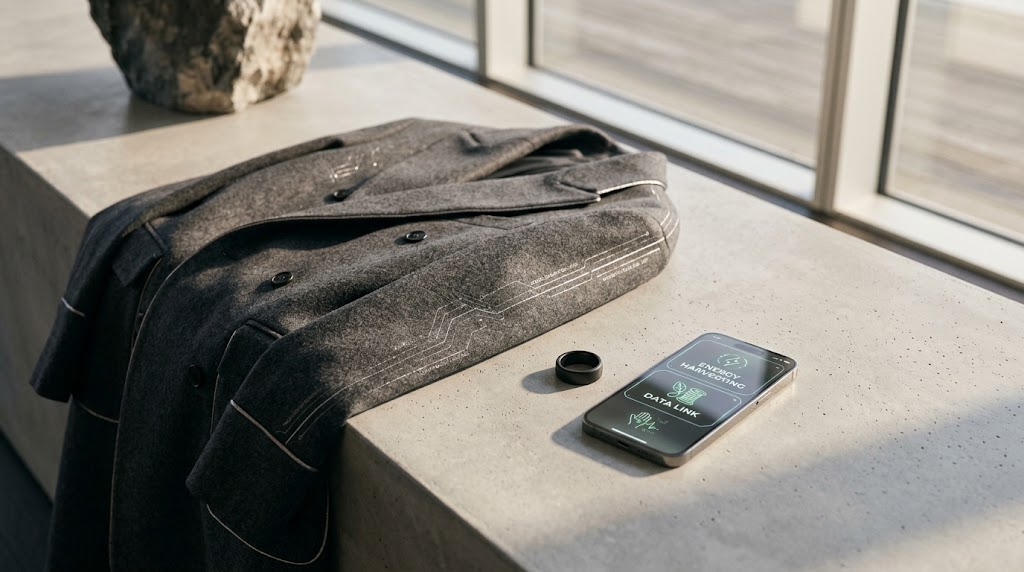
The Great Paradox: High Fashion Meets Environmental Crisis
To understand why wearable technology holds such transformative potential for sustainability, we first have to confront the uncomfortable reality of the current fashion landscape. For generations, luxury fashion has been built on an ethos of exclusivity, craftsmanship, and seasonal novelty. However, the democratization of trends and the rise of ultra-fast fashion have accelerated production cycles to a breakneck speed, turning garments into disposable commodities.
When we talk about sustainable fashion, the conversation typically revolves around organic cotton, recycled polyester, or vintage shopping. While these are vital components of a greener wardrobe, they often fail to address the systemic structural inefficiencies of how garments are made, used, and discarded. This is where technology steps in not merely as an aesthetic gimmick with blinking LED lights, but as a structural repair tool for an ailing supply chain.
Consider the lifecycle of a typical luxury garment. A silk blouse or a wool coat requires raw material extraction, agricultural processing, chemical treatment, weaving, global shipping, retail warehousing, and eventual disposal. At each of these stages, resources are consumed, and emissions are released. Wearable tech—when conceptualized through a lens of sustainability—proposes a radical shift: what if our clothing was smart enough to reduce its own environmental footprint? What if your garments could self-clean, monitor their own wear-and-tear, or adapt to ambient temperatures so you no longer need to rely on energy-intensive climate control?
+-----------------------------------------------------------------+
|               Traditional vs. Tech-Enabled Lifestyle            |
+-----------------------------------+-----------------------------+
| Traditional Linear Model          | Sustainable Tech Model      |
+-----------------------------------+-----------------------------+
| High resource consumption         | Optimized resource use      |
| Frequent washing (high water/     | Self-cleaning or odor-      |
| energy)                           | resistant smart fibers      |
| Rapid disposal & landfill waste   | Extended garment lifecycle  |
| Disconnected from user needs      | Dynamic adaptation to body  |
+-----------------------------------+-----------------------------+
From Gadgetry to Haute Tech: A Brief Evolution
Early iterations of wearable technology failed to capture the hearts of mainstream fashion consumers because they suffered from an identity crisis. They were designed by engineers who viewed the human body as a circuit board rather than a canvas for self-expression. Bulky batteries, rigid plastics, and glaring interface screens made these devices feel more like medical apparatuses than style statements.
However, the past few years have marked a quiet revolution. We have moved away from wearing computers on our wrists and toward embedding computing directly into the fabric of our daily wardrobes. Today’s smart textiles—often referred to as electronic textiles or e-textiles—are woven from conductive yarns that blend seamlessly with traditional natural fibers like silk, wool, and cashmere.
Luxury houses and forward-thinking indie designers are experimenting with fabrics that can harvest kinetic energy, change color on demand through micro-voltages, or monitor hydration levels without requiring chunky external hardware. This evolution matters because style is fundamentally emotional. If a sustainable innovation feels clunky or unappealing, consumers will reject it, no matter how noble its ecological intentions. True sustainability in fashion must marry high performance with high aesthetics.
Smart Fabrics and the Science of Resource Efficiency
The backbone of sustainable wearable tech lies in material science. When we look at how garments impact the environment, a significant portion of their footprint occurs after purchase—specifically through washing, drying, and dry cleaning. Traditional garments require constant laundering to remove odors and stains, consuming staggering amounts of water and detergent while releasing microplastics into our oceans.
Smart textiles are rewriting this script through bio-engineered and chemically enhanced fibers that actively resist environmental degradation and odor buildup:
- Silver-infused and Copper-threaded Yarns: Natural antimicrobial properties inhibit the growth of odor-causing bacteria, allowing garments to be worn multiple times between washes.
- Photocatalytic Coatings: Nanoscale titanium dioxide treatments applied to cotton and linen break down organic stains and pollutants when exposed to natural sunlight, effectively cleaning the fabric passively.
- Thermo-responsive Phase Change Materials (PCMs): Originally developed for space exploration, these materials absorb, store, and release heat, keeping the wearer comfortable across shifting ambient temperatures and reducing the need for heavy layering or artificial climate control.
By extending the time between washes and reducing the overall volume of garments required to maintain a functional wardrobe, these technological interventions lower the cumulative carbon and water footprint of our daily attire.

The Consumer Dilemma: Balancing Utility, Cost, and Aesthetics
As a fashion enthusiast, navigating the market for tech-integrated apparel requires a discerning eye. It is easy to get swept up in the novelty of glowing jackets or app-connected scarves, but practical wardrobe building demands a more grounded approach.
One of the most common mistakes early adopters make is treating tech clothing like consumer electronics. When you buy a smartphone, you expect it to become obsolete in three years. When you invest in a luxury cashmere coat or a bespoke wool suit, you expect it to last for decades. Integrating technology into fashion introduces a durability paradox: electronics degrade and become outdated much faster than traditional textiles.
To bypass this pitfall, sustainable wearable tech must prioritize modularity. The best modern designs feature detachable electronics or washing-safe circuits that can be easily removed before laundering or upgraded when newer technology becomes available. When shopping for tech-infused garments, ask yourself these essential questions:
- Is the technology integrated in a way that allows the garment to be dry-cleaned or washed safely?
- Does the feature genuinely improve my daily life or extend the lifespan of the garment, or is it merely a passing gimmick?
- What happens to the electronic components when the garment finally reaches the end of its physical life? Can they be recycled separately?
Scaling the Horizon: Bio-Fabrication and the Next Generation of Smart Materials
Continuing our exploration into how innovation protects our planet, we must look beyond electronic integration and examine the birth of entirely new material categories. The most exciting frontier in sustainable fashion is bio-fabrication—the process of growing textiles using living organisms such as fungi, algae, yeast, and bacteria.
When combined with wearable tech sensing capabilities, bio-fabricated materials offer a completely closed-loop lifecycle. Imagine a luxury handbag crafted from mycelium (mushroom leather) embedded with bio-sensors that monitor humidity and moisture levels to prevent mold growth, or a silk-like protein jacket spun by genetically modified yeast that can repair micro-tears when exposed to specific organic catalysts.
These innovations solve one of the fashion industry’s oldest dilemmas: the compromise between luxury feel and environmental ethics. For decades, consumers seeking cruelty-free options were often pushed toward petroleum-based synthetic leathers and plastics, which shed microplastics and take centuries to decompose. Bio-fabrication bridges this gap, offering the rich tactile experience of premium leather or silk while leaving behind a biodegradable footprint.
+-----------------------------------------------------------------+
|              The Lifecycle of Bio-Fabricated Tech               |
+-----------------------------------+-----------------------------+
| Stage                             | Environmental Impact        |
+-----------------------------------+-----------------------------+
| 1. Cultivation                    | Grown in controlled labs    |
|                                   | with minimal water usage    |
+-----------------------------------+-----------------------------+
| 2. Integration                    | Smart sensors embedded via  |
|                                   | biodegradable protein inks  |
+-----------------------------------+-----------------------------+
| 3. Utilization                    | Extended wear through self- |
|                                   | healing & adaptive features |
+-----------------------------------+-----------------------------+
| 4. End-of-Life                    | Fully compostable in        |
|                                   | standard organic soil       |
+-----------------------------------+-----------------------------+
Digital Craftsmanship: Virtual Try-Ons and On-Demand Production
Technology’s role in sustainable fashion is not restricted to what we wear on our physical bodies; it also encompasses how we buy and consume. Overproduction is the silent killer of the modern fashion economy. Millions of garments are manufactured every season based on speculative forecasts, and a staggering percentage of unsold inventory ends up incinerated or dumped in landfills.
Digital fashion and augmented reality (AR) are powerful tools in combating this waste. High-end digital couture—virtual garments worn in digital spaces, augmented reality filters, or rendered onto photos—allows fashion houses to satisfy consumers’ desire for novelty and self-expression without extracting a single ounce of physical raw material.
Furthermore, 3D body scanning and virtual fitting technologies are revolutionizing bespoke and made-to-order manufacturing. By ensuring that a garment is crafted precisely to a customer’s unique measurements before a single thread is cut, brands can virtually eliminate return rates driven by poor sizing. In the luxury sector, where fit is paramount, this technological shift protects both artisan labor hours and raw material supplies.
Strategic Wardrobe Investment in the Age of Smart Style
For the modern reader looking to build a timeless, sustainable wardrobe, integrating tech-forward pieces requires a strategic mindset. You do not need to replace your entire closet with glowing fabrics or app-controlled footwear. Instead, approach tech fashion the same way you approach fine jewelry or luxury timepieces: as targeted, high-impact investments.
- Focus on Versatility: Choose pieces that solve specific wardrobe friction points. A smart-heating overcoat that eliminates the need for bulky winter layers simplifies your packing and expands your transitional-season wardrobe.
- Prioritize Classic Silhouettes: Avoid tech-wear pieces characterized by excessive branding or flashy LED displays that scream 2010s novelty. True luxury lies in understated sophistication. The best tech-integrated garments look indistinguishable from fine tailoring until you interact with their functional features.
- Evaluate Brand Transparency: Research the manufacturing partners of the brands you support. True sustainability requires ethical supply chains, fair wages for garment workers, and clear disclosure of material origins, regardless of how advanced the technology inside the garment may be.

Conclusion
The intersection of high-tech innovation and low-impact fashion is no longer a distant sci-fi fantasy—it is an unfolding reality reshaping our wardrobes. As we have explored, wearable technology can indeed make fashion more sustainable, provided we move past superficial gimmicks and embrace deep systemic integration. From self-cleaning smart textiles and energy-harvesting fibers to bio-fabricated materials and zero-waste digital design, technology offers us the tools to reconcile our love for style with our responsibility to the planet.
True elegance has always been about intention, discernment, and respect for craft. By choosing pieces that honor both human artistry and ecological balance, we help pave the way for a more thoughtful future. At Royal Fashion Tech, we believe that the next evolution of luxury is intelligent, conscious, and enduring. The future of fashion is in your closet—choose it wisely.
Frequently Asked Questions
1. What exactly is sustainable wearable tech?
Sustainable wearable tech refers to clothing and accessories that integrate electronic or bio-engineered innovations designed to reduce environmental impact, extend garment lifespans, and optimize resource use (such as reducing water consumption or energy waste).
2. Can smart clothing be washed normally?
Many modern e-textiles feature removable electronic modules, water-resistant circuit coatings, or flexible conductive threads that withstand gentle machine washing or dry cleaning. Always check the manufacturer’s specific care instructions before laundering.
3. How do bio-fabricated materials compare to traditional leather?
Bio-fabricated materials—such as mycelium or lab-grown silk—mimic the texture, durability, and aesthetic appeal of traditional animal leather and silk while offering a significantly lower carbon footprint and complete biodegradability.
4. Does tech-integrated clothing look bulky or futuristic?
Not anymore. Advances in micro-electronics and conductive yarn weaving allow modern smart apparel to look and feel completely indistinguishable from high-end traditional luxury garments.
5. How does technology help reduce fashion overproduction?
Technologies like 3D virtual fitting, digital sampling, and on-demand manufacturing allow brands to produce only what has been purchased, dramatically cutting down on unsold inventory waste.
6. Are tech-infused garments durable enough for everyday wear?
High-end smart apparel is engineered to withstand daily wear, but durability depends heavily on build quality and whether electronic components are properly protected from moisture and physical strain.
7. What is the biggest challenge facing sustainable wearable tech today?
The primary challenges are balancing electronic durability with textile flexibility, managing end-of-life e-waste recycling, and shifting consumer perception away from short-lived tech gadgets toward long-term wardrobe investments.
8. How can I start incorporating sustainable tech into my personal style?
Begin with versatile, functional pieces—such as temperature-regulating outerwear, odor-resistant smart fibers, or modular accessories—that seamlessly complement your existing wardrobe staples.