Walk through the historic leather district of Santa Croce sull’Arno in Tuscany or step onto the runway floors of Paris and Milan, and you will witness an undeniable transformation. For centuries, fine leather stood as an uncompromising symbol of tradition, armor, nobility, and rugged resilience. It was valued for its heft, its impervious finish, and its stoic refusal to yield quickly to time. Yet today, luxury leather is undergoing its most radical creative and technological renaissance since the industrialization of vegetable tanning. Modern fashion houses, avant-garde independent ateliers, and material scientists are completely dismantling old assumptions about what hides can be, how they can behave, and where they belong in a contemporary wardrobe.
The dialogue between classic craftsmanship and forward-thinking design is no longer just about cutting a classic trench in lambskin or crafting a sturdy Goodyear-welted Oxford. Contemporary designers are treating hide as an infinitely adaptable canvas. They are combining centuries-old artisanal traditions with laser micro-perforations, zero-impact tanning chemistry, architectural pleating, featherweight splits, and modular tailoring. At the intersection of heritage leathercraft and futuristic digital living—a space we explore deeply here at Royal Fashion Tech—leather has evolved from a static material of the past into a dynamic medium for modern self-expression.
Whether you are looking to invest in an heirloom-grade outerwear piece, curious about the science behind featherweight nappa, or eager to understand how luxury brands are balancing bio-circular ethics with uncompromised tactile beauty, this comprehensive exploration examines the craft, the aesthetics, the innovations, and the practical mastery required to navigate modern luxury leather.
The Heritage Blueprint: Century-Old Tannery Traditions
To understand how modern fashion designers are breaking the rules of leather design, one must first appreciate the foundation they are building upon. For generations, traditional leather tanning and leatherworking were defined by geography, local water chemistry, and closely guarded familial recipes.
Historically, premium leather fell predominantly into two primary tanning philosophies:
+-----------------------------------------------------------------------------------+
|                           TRADITIONAL TANNING SPECTRUM                            |
+------------------------------------+----------------------------------------------+
| Vegetable Tanning (Artisanal Core) | Chrome Tanning (Industrial Evolution)        |
| - Mimosa, chestnut, quebracho bark | - Mineral chromium salts                     |
| - 30 to 60-day slow-pit immersion  | - 24 to 48-hour drum processing              |
| - High tensile body, firm temper   | - Supple drape, water-repellent, color-fast  |
| - Rich, evolutionary patina        | - Uniform, non-aging aesthetic               |
+------------------------------------+----------------------------------------------+
Vegetable tanning, the ancient heart of Italian and French artisanal leathercraft, relies on natural plant tannins derived from the bark, wood, fruit, and leaves of trees like chestnut, oak, and quebracho. Hides were submerged in pit batteries for upwards of sixty days, slowly absorbing the organic compounds. The resulting material was dense, firm, smelling deeply of earth and forest floor, possessing the unique ability to absorb the oils of its wearer’s hands and darken with sunlight into a glorious, amber-toned patina.
In contrast, the late nineteenth-century invention of chromium salt tanning revolutionized the industry by shortening tanning cycles from months to hours. Chrome tanning yielded skins that were butter-soft, impervious to water spotting, capable of taking vibrant pastel dyes, and stable across wild temperature swings. It gave birth to mid-century haute couture leather—allowing designers like Christian Dior and Cristóbal Balenciaga to drape hide almost as fluidly as silk gazar or wool crepe.
For decades, the luxury leather market maintained a rigid dichotomy: vegetable-tanned leathers were reserved for heavy luggage, equestrian saddlery, and stiff work boots; chrome-tanned skins were designated for delicate gloves, dress shoes, and luxury handbags. Modern designers, however, refuse to accept these historical boundaries.
                           HERITAGE TANNING
                     (Rigid Structure vs. Suppleness)
                                    │
                                    ▼
                         CONTEMPORARY SYNTHESIS
             ┌──────────────────────┴──────────────────────┐
             ▼                                             ▼
   Featherweight Architecture                     Bio-Circular Chemistry
 (Micro-splitting, structural pleating)       (Metal-free zeolites, wet-white)
From Stiff Armor to Second Skin: The Engineering of Modern Drape
One of the most striking developments on current runways is the elimination of leather’s inherent weight and rigidity. In previous eras, a full-length leather overcoat was an athletic commitment. It held its wearer upright, resisted movement, and took years of dedicated wear to break in.
Today, master tanneries and luxury designers collaborate on micro-splitting technologies and vacuum-drying techniques that reduce calfskin and lambskin to fractions of a millimeter without sacrificing tensile integrity.
The Physics of Micro-Splitting and Skiving
Modern leather splitting machinery uses ultra-precise continuous band knives guided by digital sensors to shave raw hides down to thicknesses as delicate as 0.4 to 0.6 millimeters—comparable to heavy denim or flannel. Traditionally, splitting a hide this thin risked tearing the structural grain layer from the underlying corium fibers.
Through proprietary retanning polymers and gentle mechanical milling, contemporary artisans can achieve what the industry terms “cashmere-temper leather.” This allows for:
- Fluid Gathers and Pleating: Garments can now incorporate delicate smocking, sunburst pleating, and draped cowl necklines that were once impossible with animal hides.
- Seamless Edge Finishing: High-frequency ultrasonic welding and zero-thickness edge skiving eliminate the bulky, stiff seams characteristic of vintage biker jackets.
- Drop-Shoulder Tailoring: Soft shoulders without canvas padding allow coats to move with natural kinetic grace, draping smoothly over modern oversized tailoring.
When you handle a contemporary piece from houses like Loewe under Jonathan Anderson or Bottega Veneta, the leather behaves more like heavy liquid silk than tanned animal hide. It cascades over the collarbones, billows slightly in the wind, and responds instantly to body heat, conforming to the contours of the wearer within minutes rather than months.
The New Color Theory: Beyond Black, Chestnut, and Cognac
Historically, luxury leather existed within a conservative palette: black, deep mahogany, saddle tan, cordovan, and occasional navy. The limitation was partly aesthetic and partly chemical. Traditional vegetable tannins imparted a heavy base tone of brown or yellow to the hide, making vibrant, pale, or translucent pigments muddy and unstable over time.
+-----------------------------------------------------------------------------------------+
|                                MODERN PIGMENT SPECTRUM                                  |
+----------------------+------------------------------------------------------------------+
| Aniline Glazes       | Pure transparency; shows natural grain, scars, and pore arrays.  |
| Semitransparent Oils | Mineral-washed tones: sage, mineral slate, dusty lilac.          |
| Reactive Metallics   | Micro-foil leafing, iridescent titanium vapor deposition.        |
| Matte Ceramic Finishes| Chalky, light-absorbing surfaces that resist oils and scratches. |
+----------------------+------------------------------------------------------------------+
Modern luxury houses have broken entirely free from this chromatic conservatism. By introducing “wet-white” tanning—an organic, synthetic, or aluminum-based tanning method that leaves the pre-dyed hide completely snow-white rather than the light-blue of wet-blue chrome—chemists can apply pure, uncorrupted colorants.
We now see collections showcasing:
- Washed Earth and Mineral Tones: Muted sage greens, raw clay, chalky off-whites, and mineral slates that fit effortlessly into modern quiet-luxury aesthetics.
- Hyper-Saturated Neons and Acid Pastels: Ultra-saturated chartreuse, electric cobalt, and lilac nappa that challenge the notion that leather must be serious or vintage-inspired.
- Iridescent and Dichroic Coatings: Micro-thin foil applications, liquid-crystal treatments, and vapor-deposited metallic coatings that shift hue based on viewing angle and ambient light temperature.
- Matte-Ceramic Finishes: Non-reflective, powder-soft finishes created through ultra-fine silica mists that absorb light, giving garments a contemporary, sculptural presence.
These finishing techniques do not simply sit as a heavy mask atop the grain. Unlike cheap polyurethane-coated “corrected” leathers that peel and suffocate the hide, modern luxury pigment micro-sprays maintain breathability and allow the natural pore structure of the hide to remain tactilely distinct.
Deconstruction and Reconstruction: The Contemporary Leather Aesthetic
Beyond color and tactile weight, the actual silhouette and structural philosophy of leather garments have undergone a quiet revolution. For nearly a century, leather design was strictly modular and utilitarian. Jackets were defined by functional templates: the Schott Perfecto motorcycle jacket with its asymmetric zip and snap lapels, the A-2 flight jacket with its ribbed knit trims and storm flap, or the classic five-pocket western pant.
+---------------------------------------------------------------------------------------+
|                       CLASSIC VS. CONTEMPORARY LEATHER SILHOUETTES                    |
+------------------------+--------------------------------------------------------------+
| Classic Template       | Contemporary Reinvention                                     |
+------------------------+--------------------------------------------------------------+
| Asymmetric Biker       | Oversized, minimal kimono-sleeve wrap; hidden hardware       |
| Bomber / Flight Jacket | Elongated drop-tail blouson with raw, unlined French hems     |
| Tailored Blazer        | Laser-cut, unlined unstructured cardigan-jackets            |
| Five-Pocket Pant       | Wide-leg fluid trousers with pleats and elastic drawstring   |
+------------------------+--------------------------------------------------------------+
Modern designers have largely deconstructed these historical tropes, applying architectural minimalism and subversive tailoring to luxury hides:
Raw Edges and Unlined Construction
Traditional high-end leather tailoring relied heavily on silky cupro or silk linings to protect the wearer from rough flesh-side suede and to provide structural body to the garment. Modern artisans use hides finished with double-faced treatments: the grain side is polished to an aniline sheen, while the reverse side is shaved and buffed into a velvety, non-shedding suede or coated with a breathable bio-resin. This enables completely unlined coats that weigh mere ounces, featuring clean, raw-cut hems that emphasize the natural thickness and purity of the skin.
Radical Silhouette Inversion
Where leather was once cut slim, tight, and close to the body to function as windproof protection, designers now utilize relaxed, architectural cuts. We see wide-legged, fluid trousers with double reverse pleats that swish when walking; boxy, oversized chore jackets inspired by traditional workwear but rendered in ultra-luxurious calfskin; and floor-sweeping duster coats that offer casual, unstructured drape.
Sustainable Tannery Innovations: The Clean Chemistry Revolution
One cannot discuss the contemporary reinvention of premium leather without confronting the seismic shift toward environmental accountability and clean chemistry. Historically, the global leather trade faced justified criticism over heavy metal pollution, high water consumption, and questionable sourcing transparency. Today’s luxury consumer demands uncompromising craftsmanship that does not come at the cost of ecological devastation.
                  ┌────────────────────────────────────────┐
                  │    SUSTAINABLE TANNERY PILLARS         │
                  └───────────────────┬────────────────────┘
                                      │
        ┌─────────────────────────────┼────────────────────────────┐
        ▼                             ▼                            ▼
  Zeolite & Metal-Free          Agricultural Waste           Closed-Loop Water
   (Biodegradable hides)      (Olive, oak, coffee pulp)      (98% water reclamation)
In response, the world’s elite tanneries—particularly those certified with the Gold standard by the Leather Working Group (LWG)—have pioneered transformative eco-innovations:
1. Zeolite and Mineral-Free Tanning
Using naturally occurring aluminosilicate minerals (zeolites) or synthetic organic tanning agents, tanneries can produce completely chrome-free, metal-free hides that are hypoallergenic and capable of circular biodegradation at the end of their operational lifecycle.
2. Upcycled Agricultural Tannins
Instead of relying purely on harvested tree bark, progressive Italian and German tanneries are harnessing upcycled industrial agricultural waste to extract rich polyphenolic tanning agents:
- Wet-Green® Olive Leaf Extract: Produced using the fallen leaves from Mediterranean olive harvesting, creating exceptionally soft leather with a subtle, sweet herbal aroma and zero hazardous chemical runoff.
- Rhubarb and Oak Gall Formulations: Localized, renewable crops that deliver light-fast, velvety leathers suitable for infant footwear and sensitive-skin apparel.
- Coffee Ground Tannins: Extracting bio-compounds from commercial coffee roasting residues to tan dark, aromatic, water-resistant skins.
3. Closed-Loop Water Treatment Systems
Modern European tanneries have implemented advanced membrane bioreactors and reverse osmosis filtration setups. These systems recycle up to 98% of industrial process water within the facility, returning the remaining water to local rivers cleaner than when it was originally extracted.
+------------------------------------------------------------------------------------------------+
|                             THE ECO-TANNING MATRIX                                             |
+---------------------+-------------------------------+------------------------------------------+
| Method              | Primary Agent                 | Core Aesthetic / Performance Trait       |
+---------------------+-------------------------------+------------------------------------------+
| Olive-Leaf Tanning  | Oleuropein extract            | Cashmere-soft, light-stable, herbal odor |
| Zeolite Tanning     | Natural volcanic minerals     | Metal-free, hyper-breathable, non-toxic  |
| Upcycled Quebracho  | Sustainably managed timber    | Deep ambering patina, firm resilience    |
| Wet-White Organic   | Glutaraldehyde-free synthetics| Pure white base for vivid modern colors  |
+---------------------+-------------------------------+------------------------------------------+
Digital Precision Meets Manual Craft: Laser Cutting and 3D Tooling
The narrative of modern luxury leather is not a battle of machines versus hands; it is a masterclass in their seamless collaboration. Where historical cordwainers and saddlers relied entirely on hand-drawn cardboard patterns and manual clicker blades, today’s top-tier studios blend computer-aided design (CAD) with heritage hand assembly.
                      HYBRID ATELIER WORKFLOW
┌──────────────────────┐      ┌──────────────────────┐      ┌──────────────────────┐
│   Digital Scanning   │ ───► │  Laser Micro-Cutting │ ───► │  Saddle-Stitch Hand  │
│  & Defect Mapping    │      │  & 3D Micro-Tooling  │      │     Assembly         │
└──────────────────────┘      └──────────────────────┘      └──────────────────────┘
Consider how advanced technologies enhance modern leather collections:
- Digital Optical Hide Scanning: High-resolution cameras analyze the structural grain density and natural imperfections of each individual hide in real-time, calculating the exact cutting layout to minimize waste while ensuring the strongest grain runs down high-stress garment panels.
- Micro-Perforation and Laser Filigree: Designers can now etch complex lace-like patterns, micro-dot ventilation zones, and geometric tessellations into lambskin panels without fraying the edges or weakening the hide’s structural matrix.
- 3D Heat-Embossed Topographies: Rather than traditional superficial stamp pressing, computer-controlled pneumatic presses use localized temperature zoning to create permanent architectural ribs, geometric facets, and sculptural relief work across smooth box-calf panels.
Yet, despite this digital precision, the final assembly of true luxury leather goods remains intensely human. The saddle stitch—executed with two needles working in opposite directions through hand-awled holes—cannot be replicated by any automated sewing machine. If a machine lockstitch breaks, the entire seam can unravel; if a hand saddle stitch is cut, the opposing thread continues to hold the seam firmly in place.
The modern master understands that digital tools are not shortcuts; they are instruments that liberate the artisan to achieve complexities once deemed humanly impossible.

Practical Wardrobe Integration: The Contemporary Leather Buyer’s Checklist
Investing in modern designer leather requires an educated eye. Because contemporary processing techniques can make lower-grade split leathers feel superficially soft through silicone coatings, discerning buyers must know how to inspect a piece for authentic quality and long-term durability.
+----------------------------------------------------------------------------------------------------+
|                                THE FIVE-POINT LEATHER AUDIT                                        |
+----------------------------------------------------------------------------------------------------+
| 1. The Pores & Follicles  | Look closely under direct, raking light. You should observe an irregular|
|                           | natural distribution of hair follicles. A stamped, artificial grain    |
|                           | shows a repeating, robotic texture.                                    |
| 2. The Thermal Response   | Place your bare palm firmly against the hide for five seconds. Genuine  |
|                           | full-grain leather warms up immediately, absorbing body heat. Plastic- |
|                           | coated hides remain cool and clammy.                                   |
| 3. The Edge Bevel & Edge  | Check unlined edges and seams. High-end modern pieces show smooth,     |
|    Paint Application      | multi-layered, hand-painted edge sealant (vernice) that does not crack  |
|                           | when bent sharply.                                                     |
| 4. Hardware Integration   | Premium leather garments feature solid milled brass, stainless steel,  |
|                           | or titanium hardware, typically with custom brand engraving and smooth |
|                           | movement (e.g., Excella or Riri zippers).                              |
| 5. Grain Memory           | Gently pinch the surface of the leather. Authentic high-grade leather  |
|                           | shows fine micro-wrinkles that disappear immediately upon release.     |
+----------------------------------------------------------------------------------------------------+
Before adding a contemporary leather piece to your investment wardrobe, evaluate these fundamental dimensions:
- Weight vs. Warmth Balance: Do not mistake thickness for quality. A micro-split double-faced shearling coat may weigh half as much as a vintage heavy steerhide jacket while offering superior thermal insulation and vastly better mobility.
- Intended Patina Trajectory: Determine whether you want a piece that preserves its pristine, factory-fresh appearance (achieved through modern semi-aniline or ceramic-sealed finishes) or one that will dynamically morph, scratch, and develop a rich personal patina (achieved through open-pore aniline vegetable-tanned hides).
- Hardware Balance: The finest lambskin will fail if paired with cheap zinc-alloy zippers or flimsy magnetic closures. Look for hand-polished hardware, reinforced stress rivets, and smooth edge-finishing along pocket welts.
PART 2
The Architectural Renaissance: Structural Leather in Modern Tailoring
Building upon the foundational innovations explored in Part 1, the world of contemporary leather tailoring is witnessing its most dramatic evolution in the realm of formalwear and structural suiting. Historically, leather was almost strictly relegated to outerwear, workwear, and casual accessories. Tailoring a sharp two-piece suit or an evening jacket from leather was considered an exercise in excess and discomfort—the material was simply too stiff, trapped too much moisture, and lacked the breathability of fine Merino wool or Irish linen.
Modern luxury tailoring has rewritten these rules through advanced pattern engineering and hybrid paneling.
+-----------------------------------------------------------------------------------------------+
|                       ANATOMY OF MODERN LEATHER TAILORING                                     |
+----------------------+------------------------------------------------------------------------+
| Unstructured Chest   | Elimination of heavy horsehair canvas; natural drape supported by      |
|                      | micro-fused silk interfacings.                                         |
| Kinetic Articulation | Hidden stretch silk or perforated leather gussets along the underarm   |
|                      | and shoulder blades for unrestricted movement.                         |
| Laser Skived Seams   | Hide edges shaved to paper-thinness before stitching to eliminate      |
|                      | bulk along lapels, collar rolls, and pocket flaps.                     |
| Ergonomic Darting    | Strategic 3D darting that sculpts to the natural curvature of the spine|
|                      | and torso without pulling.                                             |
+----------------------+------------------------------------------------------------------------+
Designers now construct fully tailored leather blazers that retain the silhouette of Savile Row tailoring while possessing the relaxed ease of a cardigan. By pairing paper-thin Italian calfskin with unstructured shoulders, zero-weight silk linings, and precision chest canvasing, these garments transition seamlessly from daytime business environments to evening galas.
The Rise of the Leather Shirt-Jacket (Shacket)
Perhaps no single garment embodies this contemporary fusion better than the tailored leather overshirt. Cut with the casual silhouette of an Oxford button-down or workwear chore jacket, yet executed in ultra-fine 0.5mm lamb nappa or butter-soft nubuck, the leather shacket has become a cornerstone of modern smart-casual styling. It can be layered beneath a heavy wool winter coat or worn over a fine-gauge cashmere knit during transitional spring and autumn months.
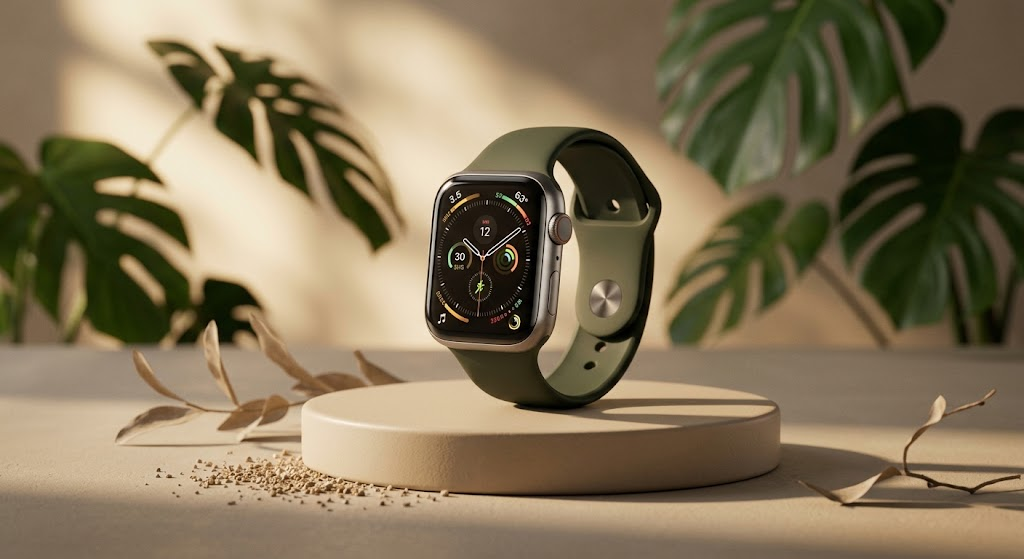
High-Tech Hybrids: When Smart Wearables and Tech Meet Luxury Hides
As fashion converges with the digital age, leather is proving to be an unexpectedly ideal medium for technological integration. Far from being an obsolete relic of the pre-digital past, the natural matrix of animal hide provides an exceptionally durable, non-conductive, and protective housing for microelectronics and conductive threads.
                      SMART LUXURY LEATHER INTEGRATIONS
┌───────────────────────┐   ┌───────────────────────┐   ┌───────────────────────┐
│ Embedded NFC Chips    │   │ Conductive Stitching  │   │ Climate Control       │
│ - Provenance Tracking │   │ - Haptic Touch Zones  │   │ - Graphene Heat Films │
│ - Digital Ownership   │   │ - Invisible Antennas  │   │ - Passive Thermals    │
└───────────────────────┘   └───────────────────────┘   └───────────────────────┘
At the bleeding edge of the luxury market, forward-thinking brands are pioneering high-tech integrations:
- Cryptographic NFC Micro-Transponders: Concealed invisibly beneath the leather linings of luxury outerwear and investment handbags, micro-NFC chips allow owners to verify the provenance, batch authenticity, and complete tannery supply chain with a single tap of a smartphone. This completely eradicates counterfeit vulnerability while providing access to private brand concierge portals and digital certificates of ownership.
- Conductive Thread Embroidery: By weaving silver-plated and carbon-fiber conductive threads directly through the grain layer, modern prototypes feature haptic control surfaces built into the cuffs of leather jackets, allowing the wearer to manage audio playback, navigate GPS routes, or adjust smart eyewear without reaching for a phone.
- Integrated Graphene Heating Films: Ultra-thin, flexible graphene heating elements laminated between double-faced leather panels provide on-demand, battery-powered thermoregulation, keeping the wearer warm in sub-zero temperatures without requiring thick, puffy down layers.
These technological integrations do not diminish the artisanal spirit of leather; they elevate it, positioning premium hides as the ultimate luxury interface between human tactile heritage and digital living.
The Footwear Shift: Goodyear Welts Meet Modern Athletic Geometry
Nowhere is the collision between classic and contemporary more visible than in luxury footwear. For over a century, the benchmark of fine shoemaking was the classic Goodyear-welted dress shoe: rigid, heavy, requiring weeks of painful break-in, but endlessly resoleable. On the other end of the spectrum sat the modern athletic sneaker: comfortable, lightweight, but constructed from synthetic foams and disposable petroleum glues.
Today’s leading cordwainers and sneaker designers have bridged this divide, pioneering hybrid constructions that fuse heritage durability with athletic ergonomics.
+----------------------------------------------------------------------------------------------------+
|                         CLASSIC VS. HYBRID FOOTWEAR CONSTRUCTION                                   |
+-----------------------------+----------------------------------+-----------------------------------+
| Feature                     | Traditional Dress Shoe           | Modern Hybrid Luxury Shoe         |
+-----------------------------+----------------------------------+-----------------------------------+
| Upper Leather               | Stiff Box Calf (1.4–1.8mm)       | Glove-Tanned Calf or Veg-Tan Kudu |
| Welt Construction           | Rigid Goodyear or Norwegian      | 360-Degree Flexible Blake-Rapid   |
| Midsole Cushioning          | Compressed Cork Sheet            | Orthopedic Memory EVA + Cork Core |
| Outsole Material            | Hard Polished Leather Sole       | Custom Vibram Lightweight Rubber  |
| Break-In Period             | 30 to 60 Hours of Walking        | Zero Break-In (Instant Comfort)   |
| Resoleability               | Yes (Multiple times)             | Yes (Modular resoleable system)   |
+-----------------------------+----------------------------------+-----------------------------------+
Innovative Soling Solutions and Leather Selections
Modern hybrid shoes utilize custom-engineered outsoles from heritage makers like Vibram and St. Moritz, combining classic lug aesthetics with featherweight blown-rubber compounds (such as Vi-Lite and Morflex).
Concurrently, footwear designers are turning to alternative, character-rich leathers:
- Wild Kudu Antelope Leather: Sourced from population-control culls in Southern Africa, kudu hide is naturally scarred from thorny bushveld brush. It is exceptionally soft yet possesses more than twice the tensile strength of standard calfskin, developing an astonishing vintage patina within months.
- Cordovan Shell Innovations: Traditional burgundy horsehide shell cordovan—notoriously stiff and formal—is now being shaved, softened, and deployed into unlined minimalist derbies, tailored combat boots, and luxury sneaker silhouettes.
- Waterproof Hydro-Nubuck: Treated with fluorocarbon-free hydrophobic oils directly in the tanning drum, this leather allows water to bead and roll off like mercury, giving delicate-looking brushed suedes all-weather functionality.

The Modern Wardrobe: Styling Contemporary Leather
Integrating directional leather garments into a polished, contemporary wardrobe requires a clear understanding of proportion, texture, and visual tension. The goal is to avoid looking like you are wearing a period costume or stepping onto a movie set.
                         TEXTURAL BALANCING PRINCIPLES
┌──────────────────────────────────────┐  ┌──────────────────────────────────────┐
│       MATTE & COARSE TEXTURES        │  │       GLOSS & SMOOTH TEXTURES        │
│   • Raw Denim (14oz+)                │  │   • Aniline Box Calf                 │
│   • Bouclé & Heavy Tweed             │  │   • Polished Spazzolato              │
│   • Brushed Cashmere & Mohair        │  │   • Glazed Lambskin                  │
└──────────────────┬───────────────────┘  └──────────────────┬───────────────────┘
                   │                                         │
                   └────────────────────►◄───────────────────┘
                                 VISUAL HARMONY
1. High-Low Textural Contrast
Leather commands significant visual attention. If you wear high-gloss, smooth leather head-to-toe, the outfit can easily feel overwhelming. Instead, balance the glossy sheen of polished nappa leather against rich, light-absorbing natural fibers:
- Pair a sleek, black aniline calfskin overcoat with a heavy, ribbed charcoal cashmere turtleneck and relaxed wide-leg wool flannel trousers.
- Pair rough, matte suede or reverse-grain boots with crisp raw selvedge denim and an unlined linen overshirt.
2. De-Formalizing the Leather Trouser
Contemporary wide-leg leather trousers are remarkably versatile when styled with casual staples. Pair them with a clean, heavyweight boxy organic cotton t-shirt, minimalist white leather sneakers, and an unstructured cardigan. The relaxed silhouette transforms the leather from an aggressive statement piece into an effortless expression of casual luxury.
3. Tonal Layering
Rather than building high-contrast outfits around stark black-and-white palettes, embrace contemporary monochromatic layering using rich earth tones. Layer a dark chocolate brown suede trucker jacket over a chestnut merino crewneck, grounded by olive chino trousers and tobacco-colored cordovan boots. This tonal approach highlights the varying surface textures and depths of the leather.
+------------------------------------------------------------------------------------+
|                         STYLING DO'S AND DON'TS                                    |
+----------------------------------------------------+-------------------------------+
| DO                                                 | DON'T                         |
+----------------------------------------------------+-------------------------------+
| Mix distinct textures (e.g., suede with wool).    | Wear head-to-toe matching     |
|                                                    | high-gloss black leather.     |
| Let relaxed silhouettes drape naturally.           | Squeeze into overly tight,    |
|                                                    | restrictive retro cuts.       |
| Embrace natural character, wrinkles, and patina.   | Over-polish or attempt to buff|
|                                                    | out every minor scuff.        |
| Invest in high-gauge wooden hangers for storage.  | Store leather on thin, wire   |
|                                                    | dry-cleaner hangers.          |
+----------------------------------------------------+-------------------------------+
Preserving the Modern Heirloom: Care, Maintenance, and Longevity
The ultimate virtue of premium leather—and why it remains the gold standard of luxury materials—is its exceptional longevity. When properly maintained, a fine leather garment or accessory will outlive its owner, looking significantly better at year twenty than it did on the day it was unboxed.
However, modern micro-split hides, delicate aniline glazes, and untreated nubucks require different care protocols than the heavy, bulletproof steerhide jackets of the past.
                        ROUTINE LEATHER CARE CYCLE
┌───────────────────────┐   ┌───────────────────────┐   ┌───────────────────────┐
│   Quarterly Brushing  │──►│   Bi-Annual Hydration │──►│   All-Weather Storage │
│ (Horsehair brush for  │   │  (Wax-free conditioning│   │ (Breathable garment   │
│  dust & debris)       │   │   cream for pores)    │   │  bags + cedar blocks) │
└───────────────────────┘   └───────────────────────┘   └───────────────────────┘
Essential Maintenance Protocols
1. Routine Horsehair Brushing
Dust and airborne particulate matter are micro-abrasive. If left sitting on the grain, tiny dust crystals will work their way into the natural pore structure, grinding against collagen fibers when the garment moves. Brush your leather items with a dense, natural horsehair brush every few weeks to remove surface particulates.
2. Specialized Conditioning
Never use heavy petroleum distillates, thick animal mink oils, or silicone sprays on contemporary luxury lambskin or nappa leather. These heavy products clog micro-pores, darken light finishes permanently, and cause delicate seams to rot. Instead, use light, water-based conditioning lotions containing natural jojoba oil, beeswax micro-emulsions, and lanolin applied sparingly with a soft cotton cloth twice a year.
3. Managing Moisture and Rain
If your leather jacket or shoes get caught in a downpour:
- Never place them near a radiator, electric heater, or use a hair dryer. Rapid heat application causes the moisture within the collagen fibers to evaporate too quickly, causing the leather to shrink, harden, and crack irreversibly.
- Gently dab the surface with a dry microfiber towel.
- Hang the item on a wide, contoured wooden hanger in a well-ventilated room away from direct sunlight, allowing it to dry naturally at room temperature over 24 to 48 hours.
- For footwear, insert unvarnished cedar shoe trees immediately to draw moisture from the interior lining while preserving the structural toe box shape.
4. Storage Architecture
Never store luxury leather in non-breathable plastic dry-cleaning bags. Leather is an organic, porous material that requires air circulation. Sealed plastic traps ambient humidity, creating an ideal breeding ground for mold and mildew. Always store your garments inside breathable cotton or canvas garment bags, accompanied by aromatic cedar blocks to repel pests and naturally regulate humidity.
The Verdict: The Future of Modern Leathercraft
As we observe the trajectory of luxury design, it is clear that leather is not being left behind by modernity—it is actively redefining it. The modern fashion consumer no longer views luxury as a choice between historical artisanal pedigree and progressive, comfortable design. Through clean-tanning chemistry, micro-precision tailoring, digital provenance tracking, and relaxed architectural silhouettes, modern designers have successfully revitalized one of humanity’s oldest materials.
Classic leather gave us heritage, permanence, and romantic history. Contemporary design gives us lightness, kinetic freedom, bold color, and environmental responsibility. When these two worlds meet, the result is an extraordinary evolution in wearable art: garments and accessories that honor the master artisans of the past while meeting the dynamic, discerning demands of the future.
Frequently Asked Questions
What is the main difference between traditional and contemporary luxury leather?
Traditional luxury leather prioritized thickness, heavy structure, and slow vegetable tanning, which often required an extensive break-in period. Contemporary luxury leather emphasizes micro-split lightness, fluid drape, clean eco-friendly chemistry, vibrant non-traditional color palettes, and unstructured architectural silhouettes that provide instant comfort without sacrificing long-term durability.
How can I tell if a modern designer leather piece is truly full-grain?
Inspect the surface closely under natural, angled lighting. Authentic full-grain leather reveals irregular, organic pore patterns, faint natural growth marks, and subtle grain variations. It warms up rapidly when touched by your bare palm. In contrast, corrected-grain or synthetic leathers display a perfectly uniform, repeating embossed texture and feel cold and plastic-like to the touch.
Are eco-tanned leathers as durable as traditionally tanned leathers?
Yes. Modern sustainable tanning innovations—such as zeolite mineral tanning, wet-green olive leaf extract, and closed-loop bio-circular processing—produce leather that matches or exceeds the tensile strength, tear resistance, and flex-life of conventional chrome-tanned hides while eliminating hazardous heavy metal runoff and improving biodegradability.
Why are modern designer leather jackets and coats so much lighter than vintage ones?
Modern tanneries utilize precision electronic band-knife splitting machines that shave raw hides down to micro-thicknesses (0.4mm to 0.7mm) with extreme accuracy. When combined with unlined construction, double-faced finishing, and lightweight structural interfacings, designers can create leather garments that drape effortlessly and weigh a fraction of traditional vintage jackets.
What is the best way to care for soft nappa or lambskin leather at home?
Dust the garment regularly with a soft, natural horsehair brush. Treat the leather once or twice a year with a specialized, wax-free, water-based conditioning lotion containing gentle oils like jojoba or lanolin. Always avoid heavy mink oils, petroleum gels, and silicone sprays. If the garment gets wet, let it air-dry naturally at room temperature on a wide wooden hanger away from direct heat sources.
Can leather trousers and blazers be worn comfortably in warm weather?
Yes, provided they are made from modern micro-split, unlined, or perforated hides. Designers now produce unlined summer-weight leather garments crafted from breathable 0.4mm lambskin that permit air circulation and moisture vapor release, making them suitable for mild spring and summer evenings when styled with lightweight natural linens and cottons.
What is the advantage of hybrid Goodyear-welted footwear with lightweight soles?
Hybrid construction pairs the long-term durability and resoleability of traditional 360-degree welts with the shock-absorbing ergonomics of modern athletic outsoles (such as custom Vibram blown-rubber). This eliminates the painful break-in period of traditional hard leather soles while ensuring the shoe can still be resoled multiple times over decades of wear.
How do embedded NFC chips enhance luxury leather goods?
Concealed micro-NFC transponders allow owners to scan their garment or accessory using any standard smartphone to instantly verify product authenticity, inspect the full tannery supply chain certification, and access digital ownership records. This eliminates counterfeit risks and provides seamless access to exclusive brand customer service and repair networks.