In a world dominated by fast fashion and rapidly changing trends, the concept of a “wardrobe investment piece” has never been more vital. Building a timeless closet isn’t about owning the most clothes; it’s about owning the right clothes. When you curate a wardrobe built on high-quality, versatile items, you save money, reduce decision fatigue, and always have something elegant to wear.
This comprehensive guide will walk you through the core philosophy of wardrobe investments, the essential items you need, and how to maintain them for decades.
1. What is a Wardrobe Investment Piece?
An investment piece is a high-quality garment or accessory that transcends seasonal trends. It is designed to last for years, both in terms of physical durability and stylistic relevance. Rather than buying a low-cost item that falls apart after three washes, an investment piece is a strategic purchase that provides long-term value.
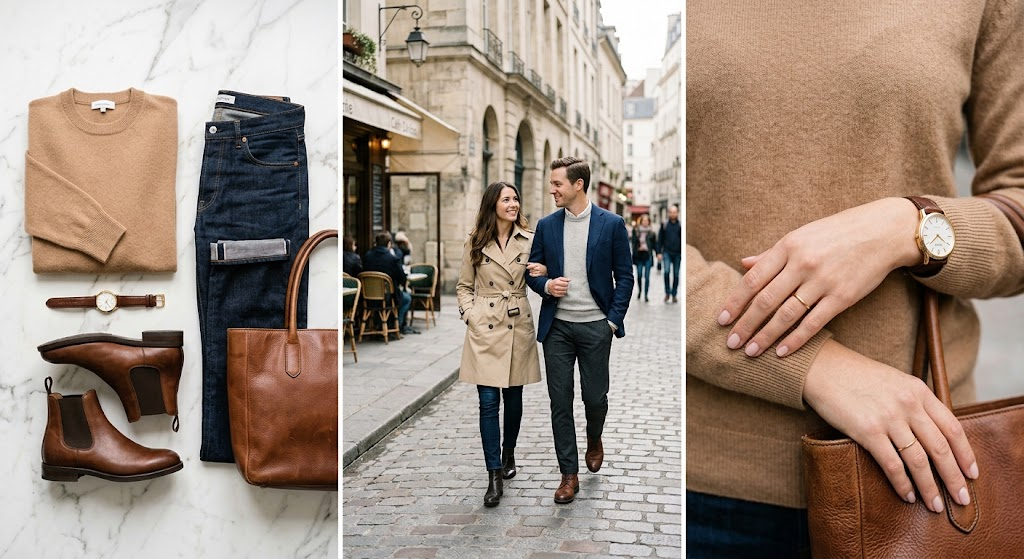
The “Cost Per Wear” (CPW) Rule
The true cost of an item is not its retail price, but its Cost Per Wear (CPW).
- CPW Formula: Total Cost of Item ÷ Number of Times Worn = Cost Per Wear
- Example A: A trendy $30 shirt worn twice before tearing has a CPW of $15.
- Example B: A classic $300 wool coat worn 100 times over five years has a CPW of $3.
The $300 coat is the better financial investment.
Fast Fashion vs. Investment Pieces
| Feature | Fast Fashion | Investment Pieces |
| Durability | Low (lasts a few washes) | High (lasts years or decades) |
| Style | Trend-driven, quickly outdated | Timeless, classic silhouettes |
| Materials | Synthetic (polyester, nylon) | Natural (wool, silk, cotton, leather) |
| Price Point | Low upfront cost, high replacement cost | High upfront cost, low replacement cost |
2. The Top 10 Essential Wardrobe Investment Pieces
To build a foundational wardrobe, focus on versatility. The following pieces can be mixed and matched to create countless outfits for almost any occasion.
1. The Tailored Blazer
A well-tailored blazer instantly elevates any outfit. Whether draped over a casual t-shirt and jeans or paired with formal trousers, it adds structure and authority.
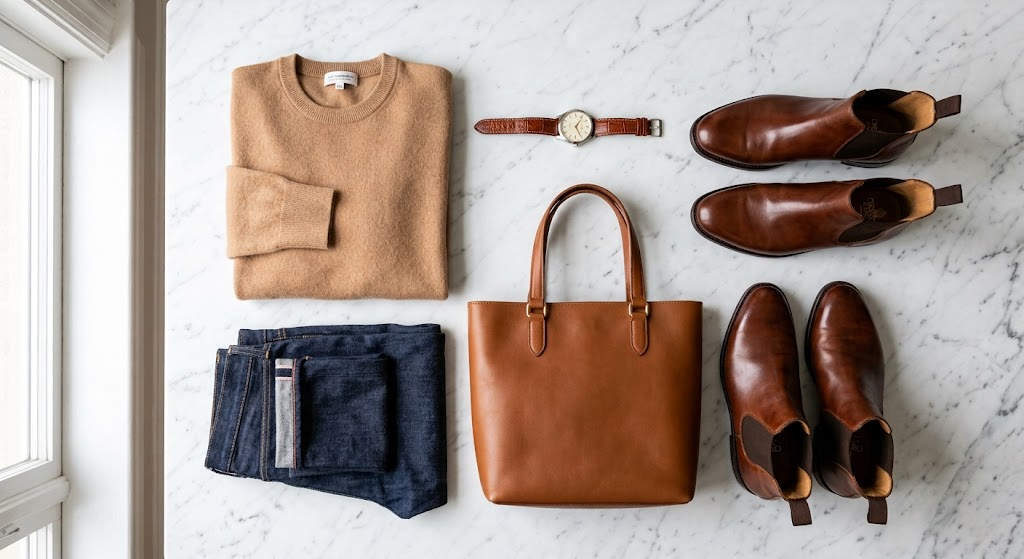
- What to look for: Seek out wool or wool-blend fabrics in neutral colors like navy, black, or camel. Pay close attention to how it fits across the shoulders.
2. The Classic Trench Coat
Originally designed for the military, the trench coat is the ultimate transitional outerwear piece. It offers protection against the elements while maintaining a sleek, sophisticated profile.
- What to look for: A water-resistant cotton gabardine blend in a classic beige, khaki, or navy.
3. The Perfect White Button-Down Shirt
Crisp, clean, and endlessly versatile. The white button-down is the chameleon of your closet.
- What to look for: 100% cotton or silk. Ensure the collar is crisp and the fabric isn’t overly sheer.
4. High-Quality Denim
Jeans are a daily staple, making them a prime candidate for investment. Premium denim retains its shape and fades beautifully over time.
- What to look for: A straight-leg or slight bootcut in a dark, unwashed indigo. Avoid heavy distressing, as clean styles remain timeless.
5. The Little Black Dress (LBD)
Made famous by Coco Chanel, the LBD is your safety net for any sudden formal or semi-formal invitation.
- What to look for: A silhouette that flatters your specific body type, made from a multi-season fabric like a crepe or high-quality wool blend.
6. Cashmere Knitwear
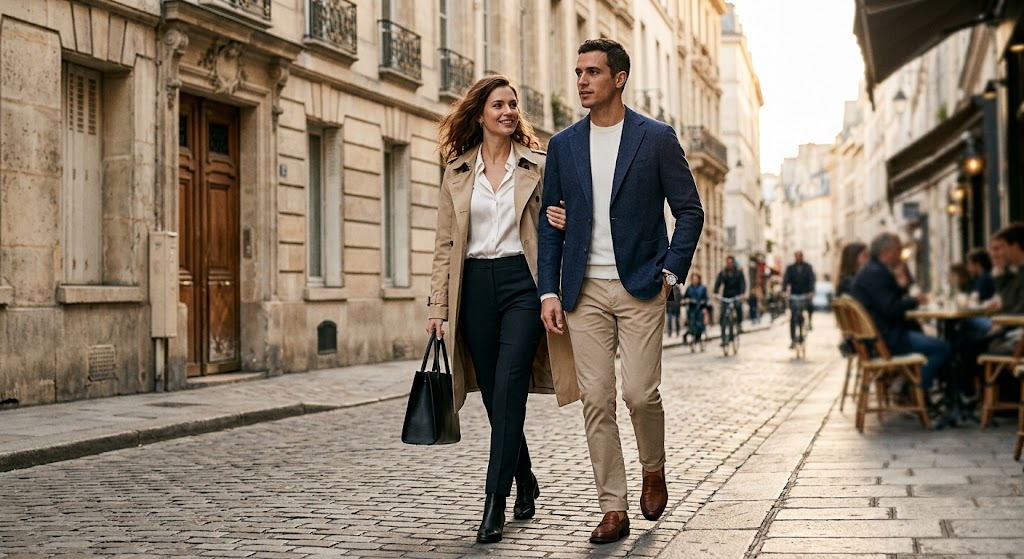
Nothing compares to the warmth, lightness, and luxury of genuine cashmere. A simple crewneck or V-neck sweater can be worn over collared shirts or on its own.
- What to look for: Two-ply or thicker cashmere from reputable sources. Pilling is natural initially, but tightly woven cashmere will withstand the test of time.
7. The Structured Leather Tote
A high-quality, unbranded leather handbag serves as a daily workhorse. It holds your essentials while acting as the anchor to your overall look.
- What to look for: Full-grain leather, sturdy hardware, and a neutral tone (black, tan, or burgundy).
8. The Classic Leather Loafer or Pump
Footwear takes a beating, so investing in quality construction is non-negotiable. A timeless loafer or a comfortable, mid-heel pump will serve you well in both professional and social settings.
- What to look for: Genuine leather uppers and soles, and traditional craftsmanship (like Goodyear welting for flats/boots).
9. A Tailored Pair of Trousers
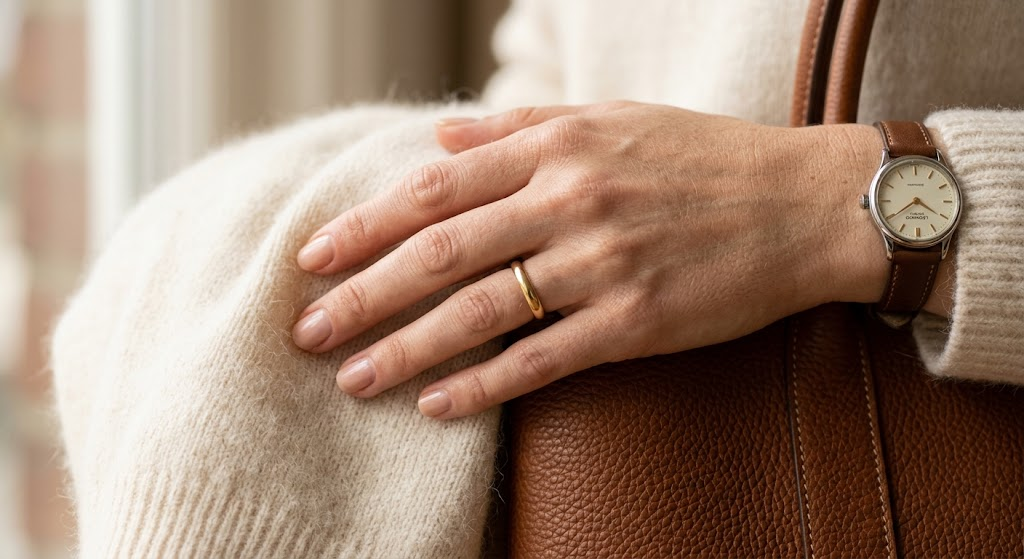
Even if you aren’t in a corporate environment, a beautiful pair of tailored trousers offers a polished alternative to denim.
- What to look for: High-waisted, wide or straight-leg cuts in wool or linen (depending on your climate).
10. A Signature Timepiece or Fine Jewelry
Accessories finish a look. A classic analog watch or a pair of simple diamond or pearl stud earrings never goes out of style.
- What to look for: Classic metals (gold, silver, or platinum) and simple, elegant faces for watches.
3. How to Choose the Right Investment Pieces for You
Not every list applies to every person. Before spending your hard-earned money, consider these three factors:
- Your Climate: If you live in a tropical area, investing in a heavy wool coat makes no sense. Redirect those funds toward high-quality linens and breathable silks.
- Your Lifestyle: Are you working from home, in a corporate office, or constantly traveling? Buy for the life you actually live, not the one you imagine having.
- Your Color Palette: Stick to a cohesive base. If you build your investments around a specific neutral palette (e.g., Black/Grey/White OR Navy/Camel/Cream), every piece will effortlessly coordinate with the others.
4. Care and Maintenance: Protecting Your Investment
Buying an investment piece is only half the battle; maintaining it is the other. High-quality garments require respect.
- Rest Your Clothes: Do not wear the same pair of leather shoes or the same wool suit two days in a row. Give the natural fibers 24 hours to breathe and regain their shape.
- Launder Less, Air More: Over-washing destroys fabric. Spot-clean stains immediately, and simply hang your wool and cashmere outside to air out odors.
- Use Proper Hangers: Ditch wire hangers. Use wide wooden hangers for structured jackets to maintain the shoulders, and always fold heavy sweaters to prevent stretching.
- Find a Good Tailor and Cobbler: A skilled tailor can adjust a garment as your body changes, and a cobbler can resole expensive shoes, extending their life by decades.