In the realm of accessories, nothing communicates status quite like a luxury timepiece. For the “stealth wealth” aesthetic, a watch is not merely a tool for telling time, nor is it a diamond-encrusted bracelet meant to catch the paparazzi’s flash. It is a masterpiece of micro-engineering, heritage, and quiet power.
The Silent Power of a Luxury Timepiece
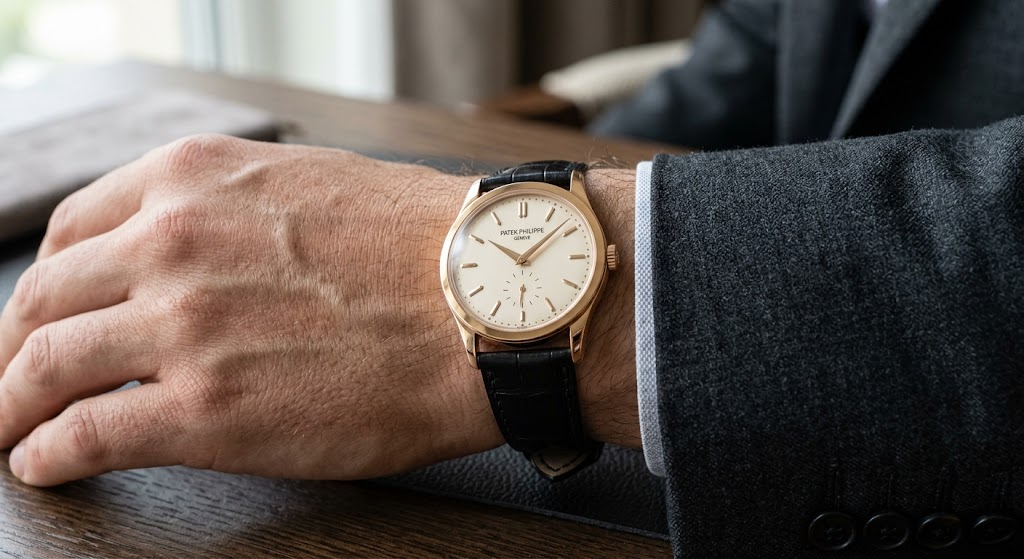
True quiet luxury watches fly under the radar. They are instantly recognizable to fellow connoisseurs but remain completely invisible to the untrained eye. An ‘old money’ timepiece is characterized by its complicated mechanical movement, understated precious metals (like white gold or platinum instead of flashy yellow gold), and a rich history of Swiss or German horology.
The Holy Trinity and Beyond
When building a high-net-worth watch collection, these legacy brands hold the most respect in elite circles:
- Patek Philippe: The undisputed king. Their famous philosophy states that you never truly own a Patek; you merely look after it for the next generation.
- Vacheron Constantin: The oldest continuously operating watchmaker in the world, representing the absolute pinnacle of understated elegance.
- A. Lange & Söhne: A German powerhouse known for producing some of the most meticulously hand-finished watch movements on the planet.
- Jaeger-LeCoultre (JLC): Often referred to as “the watchmaker’s watchmaker,” famous for the classic, timeless rectangular Reverso model.
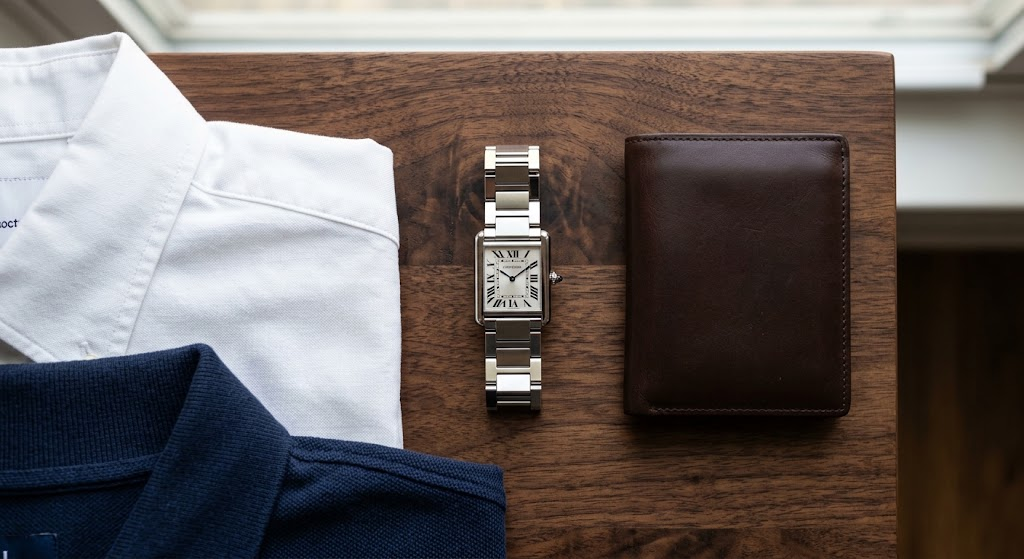
- Cartier: Specifically heritage models like the Tank or Santos, which offer timeless, aristocratic design.
Stealth Wealth vs. New Money
Understanding the difference between a sophisticated legacy timepiece and a flashy trend is crucial for this aesthetic.
| Feature | Old Money (Quiet Luxury) | New Money (Loud Luxury) |
| Materials | Platinum, White Gold, Leather Straps | Heavy Yellow/Rose Gold, Aftermarket Diamonds |
| Dial Design | Clean, minimalist, enamel or guilloché | Skeletonized, overly busy, massive logos |
| Case Size | Classic proportions (36mm to 40mm) | Oversized and bulky (44mm and above) |
| The Focus | Mechanical complexity and heritage | Instant brand recognition and flexing |
The ROI of Legacy Timepieces
Investing in a premium watch is often more stable than traditional assets. Models from elite horology houses hold or appreciate in value because the global demand vastly outpaces their slow, meticulous production rate.
“A true quiet luxury watch is a silent asset on your wrist, holding generations of intrinsic value within a simple 40mm case.”
Yahan aapki high-CPM blog post ka Part 2 hai. Is hisse mein hum specific iconic models, mechanical movements ke complex art, aur ek perfect 3-watch collection build karne ki strategy par detail mein baat karenge. Yeh section readers ko horology ki deep knowledge dega jo luxury niche mein audience retention badhata hai.
Iconic ‘Old Money’ Timepieces
If you are looking to acquire a piece of horological history that perfectly aligns with the stealth wealth aesthetic, these specific models are the ultimate benchmarks of quiet luxury.
1. Patek Philippe Calatrava
Introduced in 1932, the Calatrava is the quintessential dress watch. It is stripped of any unnecessary details, leaving only the purest expression of timekeeping. With its ultra-thin profile, simple baton hour markers, and immaculate finishing, it slips effortlessly under the cuff of a tailored dress shirt. It doesn’t shout for attention; it waits to be noticed by those who know.
2. Jaeger-LeCoultre Reverso
Born in 1931 from a practical need—British Army officers in India kept smashing their watch crystals during polo matches—the Reverso features a unique case that slides and flips over to protect the dial. Today, its Art Deco lines and rectangular shape make it one of the most sophisticated and culturally significant watches you can own.
3. Cartier Tank
While Cartier is famous for its jewelry, the Tank (designed in 1917 and inspired by the overhead view of a Renault military tank) is a masterclass in elegant proportions. Worn by everyone from Princess Diana to John F. Kennedy, the Tank on a simple black alligator strap is the ultimate unisex symbol of old-world sophistication.
The Heart of the Watch: Understanding Movements
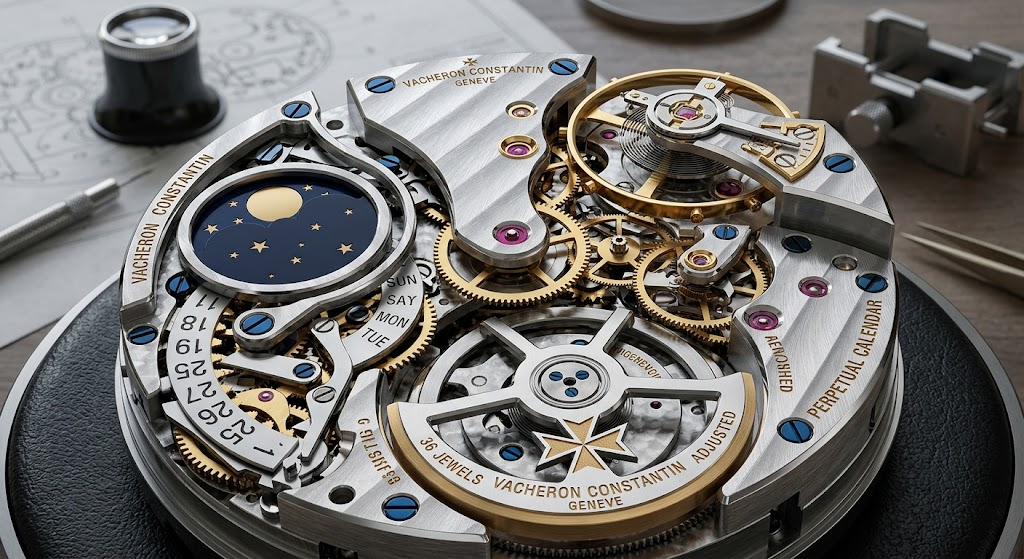
In the world of quiet luxury, what happens inside the watch is often more important than the exterior. Quartz (battery-powered) watches are generally shunned in favor of mechanical movements. True horological value lies in complications—features beyond basic timekeeping that require microscopic mechanical mastery.
Explore the breathtaking complexity inside a mechanical watch movement through this interactive breakdown:
Key insight: The most prestigious complications, such as the Perpetual Calendar (which tracks the date, day, month, and leap years mechanically without needing adjustment until the year 2100) or the Minute Repeater (which chimes the time musically), can take a single master watchmaker over a year to assemble by hand.
Building the Perfect 3-Watch Collection
You do not need a safe filled with dozens of watches to command respect. The old money philosophy favors a highly curated, intentional collection. A perfect, versatile 3-watch collection consists of:
1.The Dress Watch:The Foundation.
This is your formalwear companion. It should be slim, elegant, and understated. Time only (no bulky chronographs or busy dials), housed in a precious metal case, and always worn on a high-quality leather strap. (e.g., A. Lange & Söhne Saxonia or Patek Calatrava).
2.The Everyday Sports Watch:The Daily Driver.
“Sports watch” in the luxury realm doesn’t mean a plastic fitness tracker. It means a robust, stainless steel timepiece on a metal bracelet that can transition from a casual weekend brunch to a business meeting. (e.g., Vacheron Constantin Overseas or a vintage Rolex Datejust).
3.The Heirloom Complication:The Legacy Piece.
This is the crown jewel of the collection. It features a high horology complication (like a moon phase or a world timer) and represents the pinnacle of watchmaking art. It is the piece you acquire to mark a major life milestone and eventually pass down to the next generation.
Care, Etiquette, and Maintenance
Owning a piece of quiet luxury requires responsibility. A fine mechanical watch is a living machine that requires proper care:
- The Service Cycle: Mechanical watches need a full service every 5 to 7 years. This involves a master watchmaker completely disassembling the movement, cleaning every microscopic gear, re-lubricating, and reassembling.
- Avoid Polishing: True collectors almost never polish the cases of their vintage watches. The tiny scratches and scuffs (known as “patina”) tell the story of the watch’s life. Polishing removes metal and diminishes the historical value.
- The Subtlety Rule: When wearing a luxury timepiece, it should slip naturally under your shirt cuff. Constantly pulling your sleeve up to expose the watch is considered highly gauche and contradicts the entire philosophy of stealth wealth.