If you are evaluating a luxury handbag not just as a fashion statement, but as a financial asset, a diversification play, or even collateral, you need to know how the asset behaves in the secondary market. For decades, the Gucci vs. Louis Vuitton debate has dominated the luxury fashion world. Both occupy a similar price tier at retail boutiques, yet they behave entirely differently once you walk out of the store.
In 2026, the luxury resale market has evolved. While some bags act like stable bonds offering capital preservation, others act like volatile call options—offering massive upside during a hot trend, but significant downside when the cultural cycle turns.
So, if you are looking to park your money in designer wear this year, which brand offers the better return on investment (ROI)? Let’s dive deep into their histories, resale values, signature pieces, and quality to determine the ultimate winner.
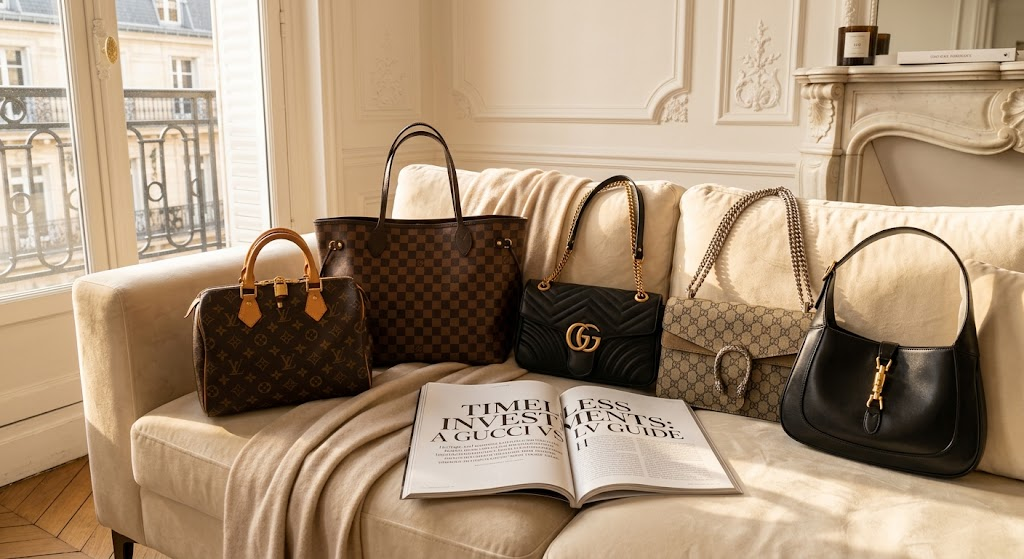
The 2026 Resale Market Verdict: Stability vs. Volatility
When it comes to resale value, Louis Vuitton and Gucci have two very different market personalities.
Louis Vuitton earns its reputation for secondary-market stability through a highly disciplined product strategy. They produce a small set of core styles continuously, utilizing a limited palette of instantly recognizable canvas patterns. Because of this controlled supply and timeless appeal, Louis Vuitton is widely considered the more stable investment.
Gucci, on the other hand, is driven by cultural relevance. Its resale performance rises and falls with creative direction changes, runway buzz, and celebrity endorsements. Gucci is an excellent brand if you are looking for loud, youthful, and trendsetting pieces. However, this quick-fashion cycle means some designs can feel outdated faster, which directly impacts their resale prices.
Key Investment Pieces to Buy in 2026
If you want to ensure your money is well spent, you must choose the right model. Not every bag from a luxury house appreciates in value. Here is a breakdown of the best investment pieces from both brands.
Top Louis Vuitton Investment Bags
Louis Vuitton’s core bags rarely lose significant value, and some actively appreciate.
- The Neverfull: This iconic tote is the gold standard for handbag investments. Resale-market analysis has found that the Louis Vuitton Neverfull can retain roughly 136% of its original retail price on the secondary market. It increases in value by an average of 7% per year.
- The Speedy: Available in various sizes (like the Speedy 25 and 30), this classic silhouette is a staple that holds a massive portion of its retail value.
- The Alma: Structured, lightweight, and durable enough for daily use, the Alma is a timeless piece that consistently retains its worth.

Top Gucci Investment Bags
While Gucci averages a 70% value retention rate on the resale market, specific highly sought-after models can command 100% to 120% in the short term.
- The Jackie 1961: A vintage revival that has proven its staying power. Its classic hobo shape appeals to the “Quiet Luxury” aesthetic.
- The GG Marmont: With strong fashion relevance, this line continues to hold value better than Gucci’s seasonal, hyper-trendy pieces.
- The Dionysus: An instantly recognizable piece that performs well, provided it is kept in pristine condition.
Price & Accessibility: Retail vs. Outlet
One of the biggest factors determining an item’s resale value is how easily accessible it is at a discount.
| Feature | Louis Vuitton | Gucci |
| Starting Price (Bags) | ~$1,500 | ~$1,200 |
| Sales & Discounts | Never goes on sale | Occasional seasonal deals |
| Outlet Stores | Does not have outlet stores | Has outlet stores (past seasons) |
| Brand Perception | “Quiet Elegance” & Heritage | Daring, Bold, & Trendy |
Louis Vuitton operates with a strict full-price model and does not have outlet stores. This restricted availability and high cost contribute heavily to its mystique and high resale floor.
Gucci is generally slightly more affordable and accessible. However, because Gucci operates outlet stores that sell past seasonal items at a discount, the secondary market is often flooded with discounted inventory, which can drive down the resale value of non-classic pieces.
Craftsmanship and Durability: The Longevity Factor
Durability is a direct input into price stability. A bag that still looks structurally sound after a decade of use has a much wider buyer pool at resale than one that shows heavy wear after just two years.
Louis Vuitton: LV built its empire on unmatched strength. Their coated canvas is lightweight yet nearly unbreakable, ensuring that items can survive years of daily use. Because of this low-maintenance longevity, a ten-year-old Louis Vuitton bag can still command a premium price.
Gucci: Gucci is famous for using high-quality hides, intricate stitching, and innovative materials. While the craftsmanship is undeniable, leather pieces require more careful handling to prevent scratches and wear. Gucci wins on creativity and fresh design, but Louis Vuitton holds a slight edge in pure, rugged lasting power.
The Verdict: Which Should You Buy?